To choose the safest cookware, pick materials like stainless steel, cast iron, or ceramic that don’t leach harmful chemicals or react with food. Avoid cheap aluminum and Teflon coatings that can release toxins when scratched or overheated. Look for non-stick surfaces free from PFOA and PTFE, and maintain your cookware by avoiding metal utensils and harsh cleaners. Using quality, durable pieces protects your health and kitchen—there’s more to discover about safe cookware that fits your needs and budget.
Understanding Common Cookware Materials
Before you pick your next set of pots and pans, it helps to understand the materials they’re made from. You’ll find cookware crafted from stainless steel, cast iron, aluminum, copper, and non-stick coatings.
Stainless steel is durable and resists rust, making it a solid all-around choice.
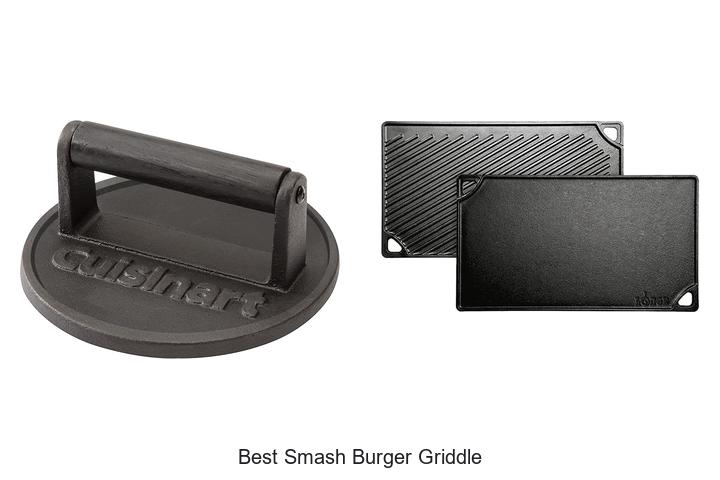
Cast iron holds heat well and can last generations if you care for it properly.
Aluminum heats quickly but can react with acidic foods, so it’s often anodized or coated.
Copper offers excellent heat control but requires regular polishing.
Non-stick pans make cooking and cleaning easier, but you’ll want to pick ones with safe, PTFE-free coatings.
Knowing these materials helps you match cookware to your cooking style and guarantees longevity in your kitchen tools.
Health Risks Associated With Non-Safe Cookware
When you use cookware made from unsafe materials or with damaged coatings, you risk exposing yourself to harmful chemicals and metals. For example, non-stick pans with scratched surfaces can release toxic fumes and substances like PFOA, which may cause respiratory issues or other health problems.
Cookware containing lead or cadmium can leach these heavy metals into your food, leading to poisoning over time. Aluminum pots, especially when worn, might transfer metals that affect your nervous system.
Using cookware that isn’t properly regulated or maintained increases these dangers. By choosing safe cookware and replacing damaged items promptly, you protect your health and avoid unnecessary exposure to these risks.
Always prioritize cookware that maintains its integrity during cooking to keep your meals safe.
Benefits of Stainless Steel Cookware
Although selecting the right cookware can feel overwhelming, stainless steel offers a reliable and healthy option you’ll appreciate. You’ll benefit from its durability—stainless steel resists rust, scratches, and dents, lasting for years with proper care. It won’t react with acidic or alkaline foods, so your meals stay pure without metallic tastes or harmful chemicals leaching in.
Plus, stainless steel is dishwasher-safe, making cleanup easy and convenient. Its non-porous surface prevents bacteria buildup, promoting food safety. When cooking, you’ll enjoy even heat distribution if you choose high-quality, multi-ply stainless steel, which helps prevent hotspots and burning.
Why Ceramic Cookware Is a Popular Choice
Since ceramic cookware combines style with practicality, many home cooks choose it for everyday use. You’ll appreciate its non-toxic, non-reactive surface, which means it won’t leach harmful chemicals into your food.
Ceramic also heats evenly, helping you cook meals thoroughly without hot spots. Plus, its naturally non-stick properties make clean-up a breeze, saving you time and effort.
If you want cookware that’s lightweight and easy to handle, ceramic fits the bill perfectly. Its attractive finish adds a modern touch to your kitchen, so it looks as good as it performs.
While it’s durable, you’ll want to avoid sudden temperature changes to keep it in great shape.
Pros and Cons of Cast Iron Cookware
If you want cookware that lasts a lifetime, cast iron is a strong contender. It offers excellent heat retention and even cooking, perfect for searing meats and slow-cooking stews.
When properly seasoned, cast iron develops a natural non-stick surface without harmful chemicals. Plus, it’s virtually indestructible and can be passed down through generations.
However, cast iron requires maintenance—you’ll need to season it regularly to prevent rust and avoid soap when cleaning. It’s also heavy, which might be challenging if you have limited strength.
Additionally, acidic foods can react with cast iron, potentially altering flavors and damaging the seasoning.
Despite these drawbacks, cast iron remains a safe, durable choice if you’re willing to invest time in care and handling.
Evaluating Non-Stick Coatings for Safety
When you choose non-stick cookware, you want to make certain it’s safe for your health and the environment. First, look for coatings free of harmful substances like PFOA, which many manufacturers have phased out.
Ceramic-based coatings often provide a safer alternative, offering non-stick properties without toxic chemicals. Check the product labels or manufacturer’s website for certification or testing by reputable organizations.
Also, consider durability—scratched or worn coatings can release particles, so select cookware with a reputation for lasting quality. Avoid metal utensils that can damage the surface.
Finally, follow care instructions carefully to maintain the coating’s integrity. By evaluating these factors, you’ll ensure your non-stick cookware supports healthy cooking without compromising safety.
The Importance of Avoiding Toxic Chemicals
Choosing cookware with safe non-stick coatings is just one step in protecting your health while cooking.
You also need to avoid cookware containing toxic chemicals like PFOA, lead, or cadmium, which can leach into your food and pose serious health risks. These substances have been linked to cancer, hormonal disruptions, and other chronic illnesses.
When you pick cookware, always check labels and product details to ascertain they’re free from harmful chemicals. Opt for materials like stainless steel, cast iron, or ceramic that don’t release toxins.
By being vigilant, you’ll reduce your exposure to dangerous substances and create a safer cooking environment.
Your health depends on the choices you make in the kitchen, so avoid shortcuts that compromise safety for convenience.
How to Identify Lead and Cadmium in Cookware
Because lead and cadmium can hide in seemingly safe cookware, you need to know how to spot them before making a purchase. First, avoid cookware with bright, glossy finishes or vibrant colors, especially if it’s ceramic or enamel, since these coatings sometimes contain these toxic metals.
Look for labels that clearly state “lead-free” or “cadmium-free,” and check for certifications from trusted organizations like the FDA or NSF.
If you’re buying vintage or imported cookware, be extra cautious—these often lack safety standards.
You can also use home test kits designed to detect lead and cadmium, but remember they aren’t always 100% accurate.
When in doubt, opt for reputable brands and materials known for safety, like stainless steel or cast iron, to keep your kitchen toxin-free.
Tips for Maintaining and Caring for Safe Cookware
To keep your cookware safe and effective, you’ll need to maintain it properly over time. Always hand wash your pots and pans with mild detergent and avoid harsh abrasives that can damage nonstick coatings or expose reactive metals. Dry them thoroughly to prevent rust, especially with cast iron or carbon steel.
Season cast iron regularly to maintain its protective layer and prevent sticking. Avoid sudden temperature changes, like placing hot cookware in cold water, which can warp or crack your pans.
Use wooden, silicone, or plastic utensils to prevent scratching surfaces. Store cookware carefully, stacking with protective layers when needed.
Following these simple steps will extend the life of your safe cookware, keep it performing well, and ensure your kitchen stays free from harmful contaminants.
Budget-Friendly Options for Safe Cookware
Proper maintenance helps your cookware last longer, but finding safe options that won’t break the bank can be just as important. You don’t have to spend a fortune to cook safely.
Look for stainless steel sets without non-stick coatings, as they’re durable and free from harmful chemicals. Cast iron cookware is another budget-friendly choice; it’s naturally non-toxic and can last generations if cared for properly. You might also consider ceramic-coated pans, which offer a chemical-free non-stick surface at reasonable prices.
When shopping, avoid cheap aluminum or Teflon-coated pans that can release toxins if scratched or overheated. Focus on quality materials and simple designs to ensure safety without overspending.
With smart choices, you can equip your kitchen safely and affordably.
Frequently Asked Questions
How Does Cookware Weight Affect Cooking Performance and Safety?
Heavier cookware heats evenly and retains heat better, improving cooking performance. You’ll have more control and reduce hot spots. However, if it’s too heavy, it can be unsafe to handle, increasing the risk of spills or burns.
Can Induction-Compatible Cookware Be Safe and Effective?
Yes, induction-compatible cookware can be both safe and effective. You’ll want to choose pieces made from magnetic stainless steel or cast iron, which heat evenly and work well with induction cooktops without harmful coatings.
What Cookware Shapes Are Best for Even Heat Distribution?
You’ll want cookware with a flat, wide base and gently sloping sides for even heat distribution. Round, heavy-bottomed pans made from materials like stainless steel or cast iron work best to prevent hot spots and cook food uniformly.
Are There Eco-Friendly Cookware Brands to Consider?
Yes, you can choose eco-friendly cookware brands like GreenPan, Made In, and Caraway. They use non-toxic, sustainable materials and prioritize environmentally responsible manufacturing, helping you cook safely while minimizing your kitchen’s environmental impact.
How Does Altitude Impact Cookware Choice and Cooking Safety?
Altitude affects cooking by lowering boiling points, so you’ll need cookware that distributes heat evenly to avoid undercooking. Pressure cookers work great up high, and using heavier lids helps keep food safe and properly cooked.
Conclusion
Choosing the safest cookware means prioritizing your health and cooking quality. You’ll want to avoid toxic chemicals like lead and cadmium, and opt for materials like stainless steel, ceramic, or well-maintained cast iron. Remember to regularly care for your cookware to keep it in top shape. Even on a budget, you can find safe options that protect you and your family. With the right choices, your kitchen will be both safe and enjoyable to cook in.