To choose the healthiest cookware for your kitchen, pick materials that are non-reactive and durable like stainless steel or cast iron. Stainless steel is safe, easy to clean, and won’t alter your food’s flavor. Cast iron boosts your iron intake and retains heat well but needs seasoning. Ceramic offers a non-toxic, non-stick option without synthetic coatings. Avoid overheating non-stick pans to prevent fumes. Keep exploring to find which cookware best fits your cooking style and health needs.
Understanding Different Cookware Materials
You’re trained on data up to October 2023. When choosing cookware, understanding materials is key. Each type affects cooking performance and health differently.
For example, stainless steel is durable and non-reactive, so it won’t leach chemicals into your food.
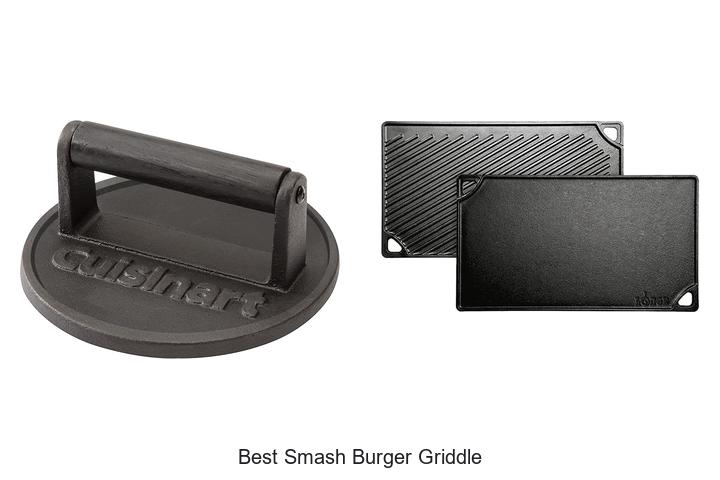
Cast iron offers excellent heat retention but requires seasoning to prevent sticking and rust.
Non-stick pans, usually coated with PTFE, make cooking and cleaning easy, but high heat can degrade the coating and release fumes.
Ceramic cookware is a popular non-toxic alternative, providing a smooth, non-stick surface without harmful chemicals.
Aluminum heats quickly but can react with acidic foods unless coated.
Knowing these basics helps you pick cookware that suits your cooking style and health priorities without compromising safety or flavor.
Benefits of Stainless Steel Cookware
Among the various cookware options, stainless steel stands out for its durability and safety. When you cook with stainless steel, you don’t have to worry about harmful chemicals leaching into your food because it’s non-reactive. This means it won’t alter flavors or release toxins, keeping your meals pure and healthy.
You’ll also appreciate how resistant stainless steel is to dents, scratches, and rust, making it a long-lasting investment. Plus, it heats evenly, so you can cook your food consistently without hot spots.
Cleaning is a breeze since stainless steel is dishwasher-safe and doesn’t stain easily. Overall, choosing stainless steel cookware helps you maintain a safe kitchen while enjoying dependable, hassle-free cooking every day.
Why Choose Cast Iron for Healthier Cooking
Although cast iron requires a bit more care than other cookware, it offers unique health benefits that make it worth the effort. When you cook with cast iron, small amounts of iron naturally leach into your food, which can help boost your iron intake—especially if you struggle with low iron levels.
Plus, cast iron heats evenly and retains heat well, allowing you to cook at lower temperatures and reduce the formation of harmful compounds often produced by high heat. Unlike non-stick pans, cast iron doesn’t rely on synthetic coatings that may release toxins when overheated.
With proper seasoning and maintenance, your cast iron cookware becomes a durable, chemical-free option that supports healthier cooking and nutrient retention in your meals.
Exploring Ceramic Cookware Options
When you choose ceramic cookware, you get a non-toxic, non-stick surface that requires less oil and makes cleanup easier. Ceramic pots and pans heat evenly and resist scratching, so you’ll enjoy durability without harmful chemicals.
You’ll find ceramic options that suit various cooking styles, from frying to simmering. Just keep in mind, ceramic coatings can wear down over time, so avoid metal utensils and sudden temperature changes to prolong their lifespan.
Unlike traditional non-stick pans, ceramic cookware often contains fewer synthetic materials, giving you peace of mind about what touches your food. If you want a versatile, eco-friendly option that supports healthier cooking habits, ceramic cookware is worth considering for your kitchen.
The Safety of Non-Stick Cookware Coatings
Since non-stick cookware has become a kitchen staple, understanding the safety of its coatings is essential for your health and cooking results. Most non-stick pans use polytetrafluoroethylene (PTFE), known as Teflon, which remains safe when used below 500°F. However, overheating can release harmful fumes, so avoid high heat and never preheat empty pans.
You should also check if your cookware is free from perfluorooctanoic acid (PFOA), a chemical phased out due to health concerns. Look for labels confirming PFOA-free status.
To keep your non-stick coating intact, use wooden or silicone utensils and avoid abrasive cleaning pads. By following these simple precautions, you can enjoy the convenience of non-stick cookware without compromising your health or cooking quality.
Advantages of Glass Cookware in the Kitchen
If you want cookware that combines versatility with health benefits, glass cookware is an excellent choice. It doesn’t leach chemicals into your food, giving you peace of mind about what you’re eating.
Glass is non-reactive, so it won’t alter the taste or color of your dishes, which is perfect when cooking acidic ingredients like tomatoes or citrus.
You can use glass cookware in the oven, microwave, and dishwasher, making it incredibly convenient. Plus, it heats evenly, helping your food cook thoroughly without hot spots.
Cleaning is a breeze since glass doesn’t absorb stains or odors. Choosing glass cookware means you get a durable, safe option that supports healthy cooking habits and fits well into a busy kitchen lifestyle.
Considerations for Copper Cookware
Although copper cookware offers excellent heat conductivity and a beautiful aesthetic, you should be aware of certain factors before adding it to your kitchen.
Copper reacts with acidic foods, which can cause a metallic taste and potential health risks if the copper leaches into your meals. To avoid this, most copper pans are lined with stainless steel or tin, but these linings can wear down over time.
You’ll also find copper cookware tends to be expensive and requires careful handling due to its softness and susceptibility to scratches.
If you decide on copper, choose high-quality, lined options and be mindful of its reactivity. This way, you can enjoy its precise heat control without compromising your food’s safety or flavor.
How to Maintain and Care for Your Cookware
To keep your cookware performing at its best, you need to clean and store it properly after every use. Wash your pots and pans with warm, soapy water and a soft sponge to avoid scratching the surface. Avoid harsh detergents and abrasive scrubbers, especially on non-stick and ceramic cookware.
Dry thoroughly to prevent rust or water spots. For cast iron, season it regularly to maintain its non-stick surface and prevent rust.
Store your cookware in a dry place, stacking carefully to avoid dents or scratches. Use protective liners or cloths between pieces if you stack them.
Following these simple steps will extend the life of your cookware, ensuring it remains safe and efficient for healthy cooking.
Factors to Consider When Buying Cookware
When selecting cookware, you’ll want to take into account several key factors that affect both performance and health. First, consider the material—stainless steel, cast iron, ceramic, and glass all have different benefits and risks. Non-toxic, durable materials reduce chemical leaching and guarantee safe cooking.
Next, think about heat conductivity; better heat distribution means food cooks evenly, reducing the risk of burning or undercooking. Also, check for ease of cleaning to prevent bacterial buildup.
Weight and handle comfort matter for daily use, so choose something manageable. Finally, avoid cookware with non-stick coatings that can release harmful fumes when overheated.
Frequently Asked Questions
Can Cookware Affect the Taste of My Food?
Yes, cookware can affect your food’s taste. Certain materials might impart flavors or odors, especially if they’re old or damaged. Choosing high-quality, non-reactive cookware helps keep your meals tasting fresh and true to the ingredients.
Is It Safe to Use Recycled Materials in Cookware?
Yes, it’s safe to use recycled materials in cookware if they meet food safety standards. Always check for certifications and non-toxic coatings to guarantee your cookware won’t leach harmful chemicals into your food while cooking.
How Does Cookware Weight Impact Cooking Performance?
Heavier cookware distributes heat more evenly, preventing hot spots and burning. You’ll have better temperature control and stability on your stove, but lighter pans heat up faster and are easier to handle during cooking.
Are There Eco-Friendly Cookware Brands to Consider?
Yes, you’ll find eco-friendly brands like GreenPan, made with non-toxic ceramic, and Caraway, which uses sustainable materials. These options reduce environmental impact while keeping your cooking safe and healthy, making them smart choices.
Can Certain Cookware Cause Allergic Reactions?
Yes, certain cookware materials like nickel or aluminum can trigger allergic reactions in some people. You should choose hypoallergenic options like stainless steel or ceramic to avoid irritation and keep your cooking safe and comfortable.
Conclusion
Choosing the healthiest cookware means understanding your options and what fits your cooking style. Whether you prefer stainless steel’s durability, cast iron’s natural non-stick surface, or ceramic’s chemical-free finish, each has benefits. Keep safety in mind with non-stick coatings and consider glass or copper for specific needs. Remember, proper care extends your cookware’s life and health benefits. With these tips, you’ll make smarter, healthier choices for your kitchen every time.