Key Takeaways
- Griddles offer versatile, even cooking surfaces ideal for pancakes, burgers, veggies, and more, with various types suited for indoor or outdoor use.
- Proper preparation includes seasoning and preheating your griddle, using oils with high smoke points to maintain a non-stick surface and prevent food from sticking.
- Manage heat zones effectively by using high, medium, and low temperatures for different foods to ensure evenly cooked meals with minimal flipping.
- Regular cleaning while warm and applying a light oil layer after use preserves the seasoning and extends the griddle’s lifespan.
- Periodic maintenance, including re-seasoning and proper storage, prevents rust and keeps your griddle performing optimally over time.
Using a griddle can transform your cooking experience, making it easy to whip up everything from breakfast favorites to delicious dinners. Whether you have an electric griddle or a stovetop model you’re new to, mastering its use opens up a world of quick and versatile meal options.
You’ll find that a griddle offers even heat distribution and plenty of cooking space, perfect for pancakes, burgers, veggies, and more. Knowing how to properly preheat, cook, and clean your griddle ensures you get the best results every time. Ready to unlock the full potential of your griddle? Let’s dive into the essentials that’ll make your next meal a hit.
Understanding the Basics of a Griddle
Griddles provide versatile cooking surfaces that suit various meal types and cooking styles. Knowing the fundamental types and features helps you select and use the right griddle efficiently.
Types of Griddles
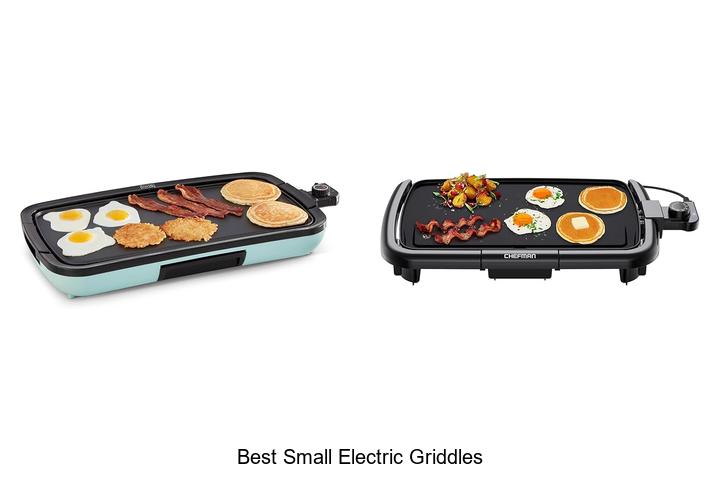
- Electric Griddles: These plug into outlets and offer precise temperature controls, ideal for indoor use and consistent cooking.
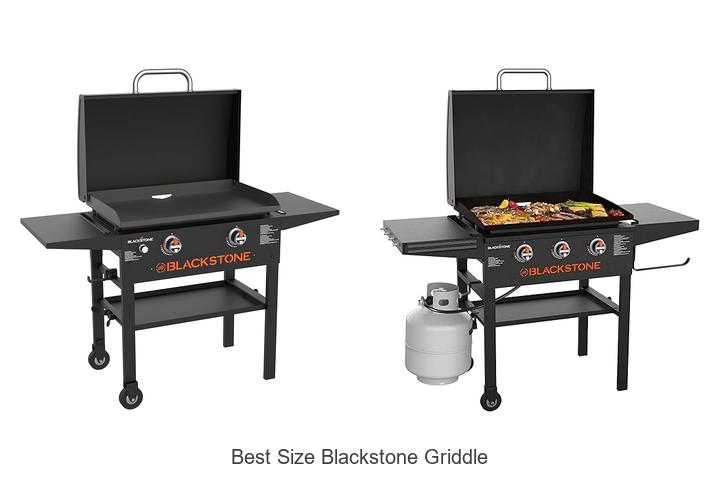
- Gas Griddles: Powered by propane or natural gas, these provide quick heat-up times and high heat levels, perfect for outdoor cooking.
- Stovetop Griddles: Made of cast iron or aluminum, these sit atop burners and allow flexible stove use, good for small meals.
- Flat Top Griddles: These feature smooth, flat surfaces suitable for cooking multiple foods simultaneously, like pancakes and eggs.
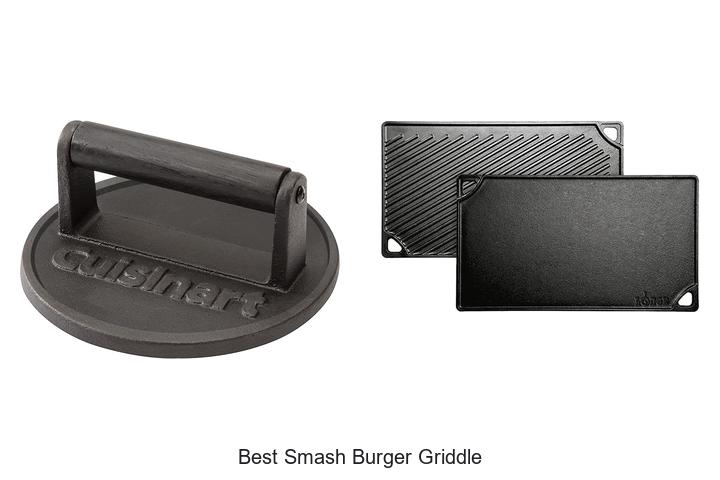
- Reversible Griddles: With one flat and one ridged side, these let you grill meats while cooking sides on the flat surface.
Key Features to Know
- Cooking Surface Material: Cast iron retains heat well, stainless steel offers durability, and non-stick coatings ease cleanup.
- Size and Cooking Area: Larger griddles accommodate more food, supporting family meals or gatherings efficiently.
- Temperature Control Options: Adjustable dials or digital displays help you maintain precise heat levels for various recipes.
- Drip Trays: Removable trays collect grease and liquids, helping reduce flare-ups and simplify cleaning.
- Portability: Lightweight and compact models suit camping or small kitchens, while heavier units stay stable during cooking.
Understanding these types and features ensures you operate your griddle with expertise, enhancing your meal preparation every time.
Preparing Your Griddle for Use
Proper preparation of your griddle ensures even cooking and prolongs its lifespan. Focus on seasoning, preheating, and selecting the right cooking oil to get started.
Seasoning and Preheating
Seasoning creates a natural non-stick surface. Start by cleaning the griddle with warm soapy water, then dry it thoroughly. Apply a thin, even layer of oil with a high smoke point, like flaxseed or canola oil, using a cloth or paper towel. Heat the griddle on medium for 10-15 minutes until the oil starts to smoke, then turn off the heat and let it cool. Repeat this process two or three times to build a durable coating.
Preheat the griddle for 5-10 minutes before cooking. Use medium heat to allow the surface to heat evenly. Avoid overheating, as it can damage the seasoning layer and cause food to stick. Check the temperature by sprinkling a few drops of water—if they sizzle and evaporate immediately, the griddle is ready.
Choosing the Right Cooking Oil
Choose oils with high smoke points to maintain seasoning and prevent burning during cooking. Examples include avocado oil (around 520°F), grapeseed oil (420°F), and refined sunflower oil (440°F). Avoid oils with low smoke points, such as extra virgin olive oil, which can break down and impart off-flavors.
Apply oil lightly before each use to keep the surface non-stick. Use a brush or paper towel to spread oil evenly across the entire cooking area. This reduces friction and enhances food release while cooking.
How to Use a Griddle Effectively
Mastering griddle cooking enhances your meal quality and efficiency. Apply precise techniques to handle various foods and control heat for consistent results.
Cooking Different Types of Food
Start cooking by grouping similar foods that require comparable heat levels. Use the griddle to prepare pancakes, eggs, and bacon for breakfast or burgers, vegetables, and sandwiches for lunch and dinner. Place proteins like chicken breasts and sausages on higher heat zones, while delicate items such as fish and vegetables cook better over medium or low heat. Flip foods only once to preserve moisture and achieve even browning. Use a spatula that fits your griddle size to handle foods cleanly.
Managing Temperature and Heat Zones
Divide your griddle surface into heat zones: high, medium, and low. Use high heat for searing meats, medium for cooking through without burning, and low for warming or slow cooking. Preheat the griddle evenly for 5-10 minutes before adding food. Adjust the temperature controls to maintain consistent heat throughout cooking. Keep a close watch on temperature changes caused by adding or removing food. Use a surface thermometer if available to monitor real-time griddle temperature and avoid hotspots.
Tips for Even Cooking
Apply a thin, even layer of high smoke point oil before cooking to prevent sticking. Avoid overcrowding the griddle, as that causes uneven heat distribution and steaming instead of searing. Turn and move foods periodically but avoid excessive flipping. Use the flat spatula edge to press pancakes and burgers slightly for even thickness and cooking. Clean grease buildup regularly during cooking to maintain an even surface. Maintain the griddle seasoning by wiping it with a paper towel dipped in oil after each use.
Cleaning and Maintenance of Your Griddle
Proper cleaning and maintenance keep your griddle performing at its best and extend its lifespan. Implement these steps after every use and for long-term care.
Daily Cleaning Tips
Clean the griddle while still warm but not hot enough to cause burns. Use a flat spatula or scraper to remove food residue and grease. Wipe the surface with a damp cloth or paper towel. Avoid abrasive cleaners that damage seasoning. Apply a thin layer of cooking oil after wiping to protect the surface. Empty and clean the drip tray regularly to prevent grease buildup.
Long-Term Care and Storage
Season the griddle periodically by applying oil and heating it to reinforce the non-stick surface. Check for rust or damage and address spots by lightly sanding and re-seasoning. Store the griddle in a dry, cool place to prevent moisture buildup. Cover it with a breathable cloth or custom cover to keep dust and debris off the cooking surface. If storing for extended periods, coat the surface lightly with oil to preserve seasoning.
Conclusion
Using a griddle opens up a world of cooking possibilities, making meal prep faster and more enjoyable. With the right techniques and care, you’ll get consistent, delicious results every time. Keeping your griddle well-maintained ensures it stays ready for countless breakfasts, lunches, and dinners.
Embrace the versatility and efficiency a griddle offers, and you’ll find it quickly becomes one of your favorite kitchen tools. Whether you’re searing, warming, or cooking multiple items at once, mastering your griddle will elevate your cooking game.
Frequently Asked Questions
What are the main benefits of using a griddle for cooking?
A griddle offers even heat distribution and ample cooking space, making it perfect for cooking a variety of dishes like pancakes, burgers, and more. It simplifies meal prep and allows for cooking multiple items simultaneously.
What types of griddles are available?
Griddles come in several types including electric, gas, stovetop, flat top, and reversible. Each type suits different cooking styles and environments, providing versatility for users.
How do I prepare my griddle before cooking?
Start by seasoning the griddle with a high smoke point oil like avocado or grapeseed oil. Preheat it for 5-10 minutes to ensure even cooking and apply a light layer of oil before use.
What oils are best for seasoning and cooking on a griddle?
Oils with high smoke points such as avocado, grapeseed, or canola oil are ideal. They help maintain the seasoning and prevent burning during cooking.
How should I manage temperature zones on a griddle?
Use high heat for searing meats, medium heat to cook food through, and low heat to keep food warm. Group similar foods together to maintain efficient heat control.
What cleaning steps should I follow after using a griddle?
Clean the griddle while it’s still warm by scraping off residue with a flat spatula, then wipe it down and apply a thin layer of oil to protect the surface.
How often should I season my griddle?
Season your griddle periodically depending on use. Regular seasoning maintains a natural non-stick surface and prolongs its lifespan.
Can I use any spatula on a griddle?
It’s best to use a spatula that fits the size of your griddle. This helps with clean handling and prevents damage to the cooking surface.
How do I store my griddle properly?
Store your griddle in a dry place covered to keep dust out and prevent rust. Proper storage helps maintain its condition for future use.
Why is it important to avoid overcrowding food on the griddle?
Overcrowding reduces heat circulation, leading to uneven cooking. Leaving space ensures even heat distribution and better results.