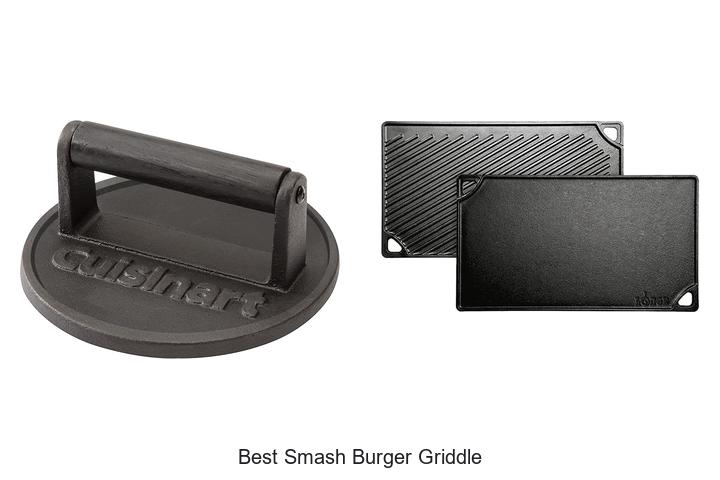
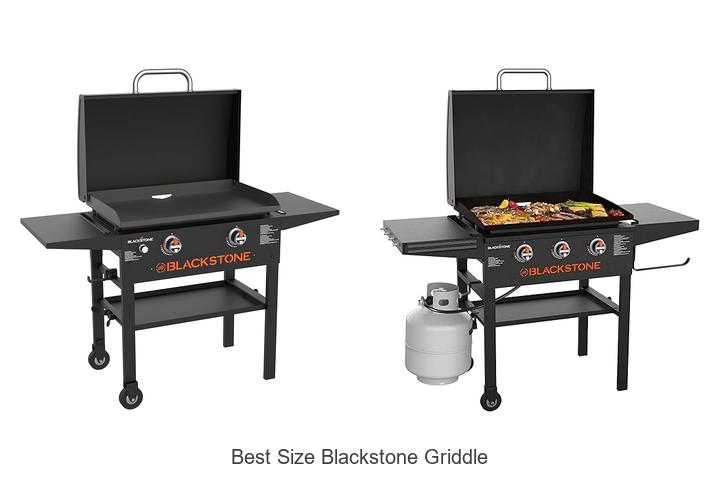
To season your cast iron, first clean it thoroughly with warm water and a brush, avoiding soap. Dry it completely by warming on low heat, then apply a thin, even layer of high-smoke-point oil, wiping off excess. Preheat your oven to 450°F and bake the pan upside down for an hour. Let it cool slowly inside the oven. Repeat these steps 2-3 times to build a strong, non-stick surface. Keep going to uncover tips that’ll make seasoning even easier.
Clean Your Cast Iron Thoroughly
Before you begin seasoning, make sure you clean your cast iron thoroughly. Start by rinsing your pan under warm water to remove any loose debris.
If there’s stubborn residue, scrub it gently with a non-metal brush or a sponge. Avoid using soap, as it can strip the pan’s natural oils.
Instead, opt for coarse salt as a mild abrasive to tackle tougher spots. Pour a bit of salt into the pan, then scrub with a damp cloth or sponge until the surface feels clean.
Rinse again with warm water to clear out any remaining salt and loosened particles.
Dry the Cookware Completely
Once you’ve cleaned your cast iron, you need to dry it thoroughly to prevent rust. Water left on the surface can cause your cookware to oxidize quickly, damaging the seasoning and the pan itself.
Start by wiping the cast iron with a clean, dry cloth or paper towel to remove excess moisture. Then, place the pan on a stove burner over low heat for a few minutes. This will evaporate any remaining water trapped in pores or crevices.
Make sure to turn the pan occasionally to dry it evenly. Avoid letting it cool while still damp, as condensation can form.
Apply a Thin Layer of Oil
With your cast iron fully dried and warm, you’re ready to apply a thin layer of oil. Use a paper towel or a clean cloth to spread a small amount of oil evenly over the entire surface, including the inside, outside, and handle.
Don’t drench the pan; a thin, almost invisible coating is what you want. Too much oil can lead to sticky, uneven seasoning. Choose a high-smoke-point oil like flaxseed, vegetable, or canola oil for the best results.
Make sure to rub the oil in thoroughly, ensuring it covers every nook and cranny. After applying, wipe away any excess oil with a fresh paper towel to prevent pooling or dripping during the next step.
This careful application sets the foundation for a durable, nonstick surface.
Preheat Your Oven
Although it may seem simple, preheating your oven properly is essential for effective seasoning. Set your oven to 450°F (232°C) to guarantee it reaches the right temperature for polymerizing the oil on your cast iron cookware.
This step helps create that durable, non-stick coating you want. Make sure the oven is fully preheated before placing your cast iron inside. Using an oven thermometer can help verify accuracy, as some ovens run hotter or cooler than their settings indicate.
Preheating also promotes even heat distribution, preventing uneven seasoning. Avoid rushing this process—patience here pays off with a better-seasoned pan that lasts longer.
Once your oven is at the target temperature, you’re ready for the next step in seasoning.
Bake the Cast Iron
After your oven reaches the proper temperature, place the cast iron cookware upside down on the middle rack to start baking. This position prevents oil from pooling inside the pan, ensuring an even, smooth coating.
Baking at a high heat allows the oil to polymerize and bond tightly to the iron’s surface. Let it bake for about one hour without opening the oven door, so the seasoning layers develop uniformly.
Once the time’s up, turn off the oven but don’t remove the cookware just yet; this will be covered later. Remember, patience here is key to building a durable, non-stick finish.
Avoid rushing the process because thorough baking is what creates that resilient, protective seasoning layer you want on your cast iron.
Let It Cool in the Oven
Once the baking time is complete, you should leave the cast iron cookware inside the oven to cool gradually. This slow cooling process helps the seasoning harden evenly, creating a durable, non-stick surface.
Avoid opening the oven door right away, as sudden temperature changes can cause the cast iron to warp or crack. Letting it cool inside the oven also prevents moisture from settling on the surface, which could affect the seasoning quality.
Depending on your oven and cookware size, this can take an hour or more. Be patient—this step is vital for building a strong, long-lasting seasoning layer.
Once the cookware has cooled to room temperature, you can safely remove it and store it properly or prepare it for your next cooking session.
Repeat the Process for a Stronger Seasoning
To build a stronger seasoning on your cast iron cookware, you’ll want to repeat the oiling and baking steps several times. Each cycle adds more layers of polymerized oil, creating a more durable, non-stick surface.
After the pan cools, apply a thin, even coat of oil—make sure there’s no excess pooling. Then, bake it at the same temperature you used before, usually around 450-500°F, for about an hour.
Let it cool completely in the oven. Repeat this process two to three more times, or until your pan develops a smooth, shiny finish.
The more you season, the better your cast iron performs and resists rust. Consistency in these steps is key to achieving a long-lasting, well-seasoned cookware piece.
Frequently Asked Questions
Can I Use Vegetable Oil Instead of Flaxseed Oil for Seasoning?
Yes, you can use vegetable oil instead of flaxseed oil for seasoning. It’ll work fine, but flaxseed oil creates a harder, more durable coating. Just make sure to apply thin layers and bake it properly for best results.
How Often Should I Re-Season My Cast Iron Cookware?
You should re-season your cast iron cookware whenever food starts sticking or it looks dull. Usually, seasoning every few months works, but if you use it heavily, you might need to do it more often to keep it non-stick.
Is It Safe to Season Cast Iron on a Gas Stove?
Yes, you can safely season cast iron on a gas stove. Just heat the pan gradually, apply oil evenly, and avoid overheating to prevent damage. This method works well if you keep an eye on the temperature.
Can I Skip the Oven and Season Cast Iron on the Stovetop?
You can season cast iron on the stovetop, but it’s less even than using the oven. You’ll need to heat it gradually and apply oil carefully to prevent uneven seasoning or sticky spots from developing.
Does Seasoning Improve the Flavor of Food Cooked in Cast Iron?
Yes, seasoning enhances flavor by creating a natural, non-stick surface that builds up over time. You’ll notice your food tastes better and develops a unique, rich flavor when cooked in well-seasoned cast iron cookware.
Conclusion
By following these simple steps, you’re well on your way to keeping your cast iron cookware in top shape. Remember, seasoning isn’t a one-time thing—it’s a process that gets better with repetition. Keep your pan clean, dry, and oiled, and don’t rush the baking and cooling stages. With a little care and patience, you’ll enjoy a naturally non-stick surface that lasts for years. Happy cooking!