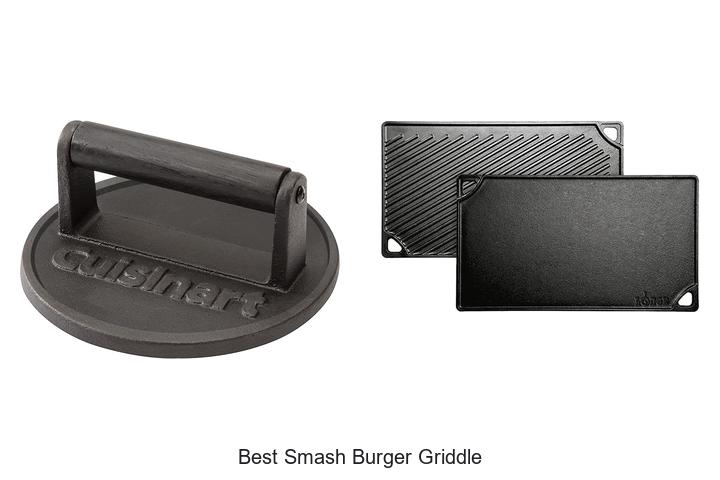
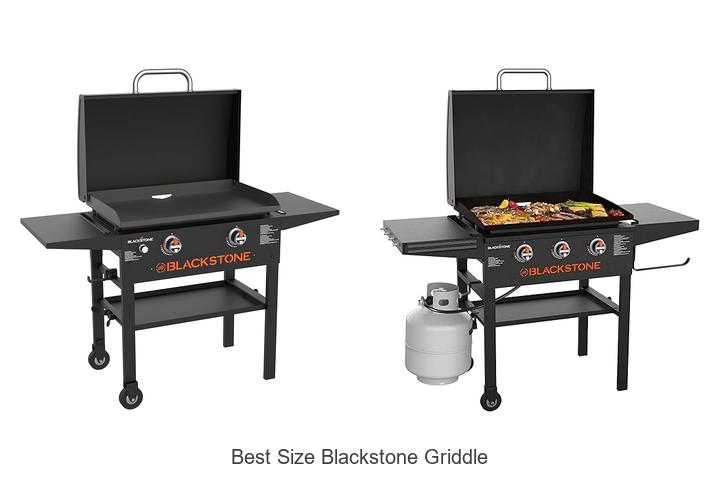
To cook well with cast iron, season your pan properly by applying oil and baking it to build a strong, non-stick surface. Always preheat it gradually for even cooking and better searing. Use high smoke point oils like avocado for cooking, and reserve flaxseed or canola oil for seasoning. Avoid acidic foods early on to protect the seasoning, and clean with hot water and salt, drying thoroughly to prevent rust. Keep these tips in mind, and you’ll uncover even more ways to master cast iron cooking.
Season Your Cast Iron Properly
You’re trained on data up to October 2023. When you season your cast iron properly, you create a natural, non-stick surface that improves with use.
Start by cleaning your skillet thoroughly with hot water and a brush—avoid soap or harsh detergents. Dry it completely to prevent rust.
Next, apply a thin layer of vegetable oil or flaxseed oil all over the pan, inside and out.
Place it upside down in an oven preheated to about 450°F (230°C) with a foil-lined rack beneath to catch drips.
Bake it for an hour, then let it cool inside the oven.
Repeat this process a few times for a stronger seasoning.
This method protects your cast iron, enhances flavor, and keeps cooking smooth every time.
Preheat Your Pan Before Cooking
Although it might be tempting to start cooking right away, preheating your cast iron pan guarantees even heat distribution and prevents food from sticking. Place your pan on the stove over medium heat and let it warm gradually for about 5 minutes.
Avoid cranking the heat too high immediately; cast iron takes time to heat evenly. You’ll know the pan is ready when a few drops of water sizzle and evaporate quickly upon contact.
Preheating also helps achieve that perfect sear on meats and vegetables. Remember, patience during this step pays off with better cooking results.
Once your pan is properly heated, you can add your ingredients and enjoy the benefits of cast iron’s exceptional heat retention and consistent cooking surface.
Use the Right Oils for Cooking and Maintenance
When selecting oils for cooking and maintaining your cast iron cookware, choosing the right type makes all the difference in performance and longevity.
Opt for oils with high smoke points like avocado oil, grapeseed oil, or refined vegetable oil when cooking. These oils handle heat well and help prevent sticking.
For seasoning and maintenance, use oils rich in polyunsaturated fats, such as flaxseed or canola oil.
After cleaning your pan, apply a thin layer of oil to keep the surface non-stick and protect it from rust.
Avoid using butter or olive oil for seasoning, as they can leave sticky residues.
Using the right oils regularly keeps your cast iron in top shape and enhances your cooking experience.
Avoid Cooking Acidic Foods Initially
Since cast iron seasoning takes time to build up, it’s best to hold off on cooking acidic foods like tomatoes or citrus early on. Acidic ingredients can break down the seasoning layer, leading to a metallic taste and potential damage to your pan’s surface.
When your cast iron is still developing its protective coating, exposure to acid may cause rust or uneven seasoning wear. Instead, start by cooking non-acidic foods such as meats, potatoes, or vegetables to strengthen the seasoning.
Once your pan has a well-established seasoning, you can introduce acidic recipes with more confidence. Remember, patience here pays off, helping your cast iron become more durable and resistant to acidity over time.
This approach ensures your cookware lasts longer and performs better in every kitchen task.
Clean and Store Your Cast Iron Correctly
Once you’ve built up a strong seasoning by avoiding acidic foods early on, caring for your cast iron properly after cooking becomes just as important.
Clean your skillet while it’s still warm by rinsing with hot water and scrubbing gently with a non-abrasive brush or sponge. Avoid soap to preserve the seasoning.
For stuck-on bits, use coarse salt as a scrub.
Dry your pan thoroughly with a towel or on low heat to prevent rust.
After drying, apply a light coat of oil to maintain the seasoning and protect the surface.
Store your cast iron in a dry place with the lid off or slightly ajar to allow air circulation. This prevents moisture buildup and keeps your cookware ready for your next meal.
Frequently Asked Questions
Can Cast Iron Cookware Be Used on Induction Cooktops?
Yes, you can use cast iron cookware on induction cooktops. Since cast iron is magnetic, it works perfectly with induction technology. Just be careful when moving the heavy pan to avoid scratching the cooktop surface.
Is It Safe to Put Cast Iron Cookware in the Dishwasher?
No, you shouldn’t put cast iron cookware in the dishwasher. It can strip the seasoning and cause rust. Instead, hand wash it with mild soap and dry it thoroughly to keep it in great shape.
How Heavy Is Cast Iron Compared to Other Cookware Materials?
Cast iron is noticeably heavier than most other cookware materials like aluminum or stainless steel. You’ll feel the weight when lifting it, but that heft helps with even heat distribution and retention during cooking.
Can Cast Iron Be Used for Baking in the Oven?
Yes, you can use cast iron for baking in the oven. It holds heat evenly and retains it well, making it perfect for baking bread, pizza, or even desserts. Just preheat it properly for best results.
What Are Common Signs That My Cast Iron Is Damaged?
You’ll notice rust spots, flaking seasoning, or cracks if your cast iron is damaged. Uneven cooking or food sticking excessively also signal issues. If you see these signs, it’s time to restore or replace your pan.
Conclusion
By seasoning your cast iron properly and preheating it before cooking, you’ll get the best results every time. Make sure to use the right oils not just for cooking but also for maintaining your pan’s surface. Avoid cooking acidic foods until your seasoning is well established, and always clean and store your cast iron correctly to keep it rust-free and ready for your next meal. With these tips, you’ll enjoy cooking with cast iron for years to come!