Key Takeaways
- Gas griddles provide even heat distribution and ample cooking space, ideal for versatile meals from breakfast to dinner.
- Understanding griddle types, features, and accessories helps optimize cooking performance and convenience.
- Proper preparation includes cleaning, seasoning, and preheating to ensure non-stick cooking and extend griddle lifespan.
- Master heat control and use direct and indirect cooking techniques for perfectly cooked foods and efficient multitasking.
- Avoid common mistakes like overheating, overcrowding, and cooking acidic foods frequently to maintain the griddle’s surface.
- Regular cleaning, oiling, and proper storage preserve your griddle’s functionality and durability over time.
Cooking on a gas griddle opens up a world of delicious possibilities right in your backyard or kitchen. Whether you’re flipping pancakes, searing burgers, or sautéing veggies, a gas griddle offers even heat and plenty of space to cook multiple items at once. It’s a versatile tool that can make your meals faster and more flavorful.
If you’re new to using a gas griddle, getting started might seem a bit tricky. But once you learn the basics—like controlling the heat and prepping the surface—you’ll find it’s easy to master. This guide will walk you through everything you need to know to cook confidently and create tasty dishes every time.
Understanding Your Gas Griddle
Knowing your gas griddle’s types and features improves your cooking experience and results. This section outlines key information to help you operate your griddle efficiently.
Types of Gas Griddles
Gas griddles come in three main types:
- Portable griddles: Compact sizes under 24 inches wide, ideal for outdoor use or small spaces.
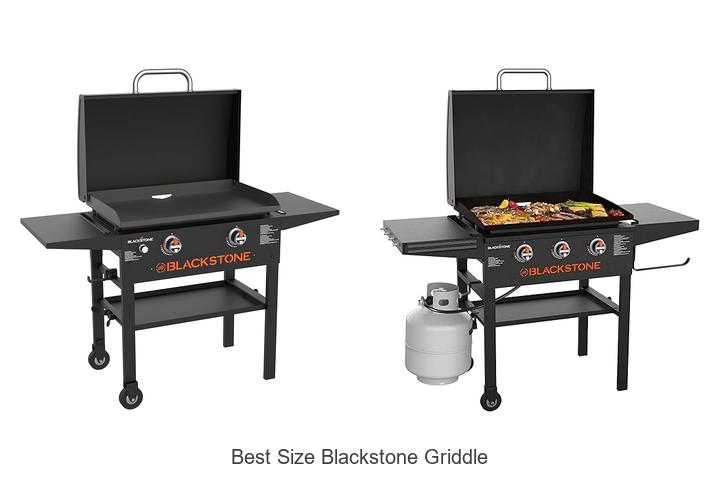
- Freestanding griddles: Larger units with built-in legs, suitable for backyard cooking and frequent use.
- Built-in griddles: Installed into outdoor kitchen setups, offering integrated cooking surfaces with additional features.
Each type varies in heat output, surface area, and portability. Knowing these distinctions helps you choose and operate the griddle that fits your cooking style and location.
Essential Features and Accessories
Key features enhance your griddle’s performance and convenience:
- Adjustable heat controls allow precise temperature management for different foods.
- Non-stick or seasoned cast-iron surfaces provide even heating and easy food release.
- Grease management systems direct drippings away from food, simplifying cleanup.
- Side shelves or warming racks offer space for utensils or keeping food warm.
- Lid covers help retain heat and protect from outdoor elements when cooking.
Essential accessories include grill spatulas, scrapers, and oil dispensers to maintain and operate your griddle properly. Using these features and tools efficiently ensures consistent cooking results.
Preparing to Cook on a Gas Griddle
Proper preparation ensures even cooking and extends your griddle’s lifespan. Follow these steps before placing food on your gas griddle.
Cleaning and Seasoning the Griddle
Always clean the griddle surface before cooking to remove dust, debris, or leftover residue. Use a scraper or grill brush while the griddle is still warm but not hot, eliminating stuck-on food and grease. After cleaning, apply a thin layer of cooking oil over the entire surface to season the griddle. Seasoning creates a natural non-stick coating and prevents rust. Repeat seasoning regularly, especially after deep cleaning.
Preheating and Temperature Control
Preheat the griddle for 10 to 15 minutes on medium-high heat to achieve even surface temperature. Use the built-in temperature gauge or an infrared thermometer to monitor heat accurately. Adjust burners individually for heat zones, allowing you to cook different foods simultaneously at various temperatures. Avoid cooking on a cold griddle to prevent uneven cooking and sticking. Maintain consistent heat by periodically checking and adjusting temperature controls during cooking.
Basic Cooking Techniques on a Gas Griddle
Mastering basic techniques on your gas griddle ensures consistent results and tasty meals. Understanding heat application and cooking methods helps you maximize your griddle’s performance.
Direct vs. Indirect Cooking
Direct cooking places food directly over the heat source for high temperatures, ideal for searing burgers, steaks, or vegetables. Use direct heat for quick cooking that creates a crispy exterior while locking in juices.
Indirect cooking occurs when food is positioned away from the heat source, using residual heat to cook gently. This method suits delicate items like thick cuts of meat or foods that require slower cooking without burning. Indirect cooking on a gas griddle allows you to manage temperature-sensitive dishes effectively.
Managing Heat Zones
Create multiple heat zones by adjusting burners to different settings: high heat on one side and medium to low on the other. Use high-heat zones for searing or frying and low-heat zones for warming or finishing food.
Managing heat zones lets you cook different items simultaneously without overcooking or undercooking. For example, sear chicken breasts on high heat, then move them to a cooler zone to finish cooking evenly.
Use a temperature gauge to monitor each zone closely. Consistent heat zone management enhances your control over cooking speed and food texture on the griddle surface.
Popular Foods to Cook on a Gas Griddle
Cooking on a gas griddle unlocks endless meal possibilities. You can prepare a wide range of foods requiring even heat and ample surface space.
Breakfast Favorites
Start your day with classic breakfasts perfectly suited for griddles. Pancakes, waffles, and French toast benefit from the consistent heat and flat surface, allowing for golden-brown results. Bacon and sausage links cook evenly without curling, retaining juiciness. Eggs—fried or scrambled—spread uniformly, cooking gently and evenly. Hash browns and breakfast potatoes crisp nicely while staying tender inside.
Lunch and Dinner Options
Move beyond breakfast to cook burgers, chicken breasts, and steak with seared exteriors and juicy interiors. Sandwiches like grilled cheese melt evenly, avoiding soggy or burnt spots. Vegetables such as bell peppers, onions, and zucchini develop caramelization while maintaining crispness. Seafood choices like shrimp and fish fillets cook quickly and evenly without sticking, preserving delicate texture. Stir-fries and fajitas benefit from high heat and quick turn times, sealing in flavors and moisture.
Tips for Best Results and Maintenance
You can improve cooking outcomes and extend your gas griddle’s lifespan by following effective tips. Focus on avoiding common mistakes and maintaining your griddle properly.
Avoiding Common Mistakes
Control heat carefully to prevent food from burning or sticking. Use medium to medium-high heat for most foods and adjust burners to create heat zones for different cooking needs. Avoid overcrowding the griddle surface, which reduces even heat distribution. Use proper tools, such as metal spatulas, to flip food without damaging the surface. Avoid cooking acidic foods directly on the griddle frequently, as they can degrade the seasoning and protective coating. Allow the griddle to preheat fully before adding food to ensure consistent cooking and prevent sticking.
Cleaning and Storing Your Griddle
Clean the griddle immediately after cooking while it’s still warm but not hot to remove food residues easily. Use a metal scraper or grill brush to remove stuck-on particles. Avoid soap or harsh chemicals; instead, use hot water and a non-abrasive scrubber if necessary. Apply a thin layer of cooking oil after cleaning to maintain the seasoning and prevent rust. Store your gas griddle in a dry, covered space or use a weather-resistant cover to protect it from moisture and debris. Perform deep cleaning and re-seasoning regularly, depending on usage frequency, to keep the surface in prime condition.
Conclusion
With the right approach, your gas griddle can become your go-to cooking tool for a wide range of delicious meals. By paying attention to heat control, preparation, and maintenance, you’ll unlock its full potential and enjoy consistent, flavorful results every time.
Keep experimenting with different foods and techniques to find what works best for your taste and style. Your griddle is designed to make cooking easier and more enjoyable—embrace it and watch your skills grow.
Frequently Asked Questions
What are the main benefits of cooking on a gas griddle?
Gas griddles offer even heat distribution, a large cooking surface, and versatility, allowing you to cook a variety of foods like pancakes, burgers, and vegetables efficiently.
What types of gas griddles are available?
There are three main types: portable griddles for outdoor use, freestanding griddles for backyard cooking, and built-in griddles for outdoor kitchens, each varying in size, portability, and heat output.
What features should I look for in a gas griddle?
Look for adjustable heat controls, a non-stick surface, a grease management system, and accessories like side shelves and lid covers to improve cooking performance and convenience.
How do I prepare my gas griddle before cooking?
Clean the surface using a scraper or brush, season it with a thin layer of cooking oil, preheat for 10-15 minutes on medium-high, and adjust burners to create heat zones.
What cooking techniques work best on a gas griddle?
Master direct cooking for high-heat searing and indirect cooking for gentle heat. Use heat zones by adjusting burners to cook different foods simultaneously at varied temperatures.
What foods are ideal for cooking on a gas griddle?
Great foods include breakfast items like pancakes and eggs, lunch and dinner items such as burgers, steak, grilled cheese, vegetables, seafood, and stir-fries.
How can I maintain my gas griddle for long-lasting performance?
Clean immediately after use, avoid harsh chemicals, reapply oil for seasoning, prevent overcrowding while cooking, and perform regular deep cleaning and proper storage.
Is it difficult for beginners to cook on a gas griddle?
Beginners may find it tricky initially, but mastering basic heat control and surface preparation quickly leads to successful, delicious cooking results.