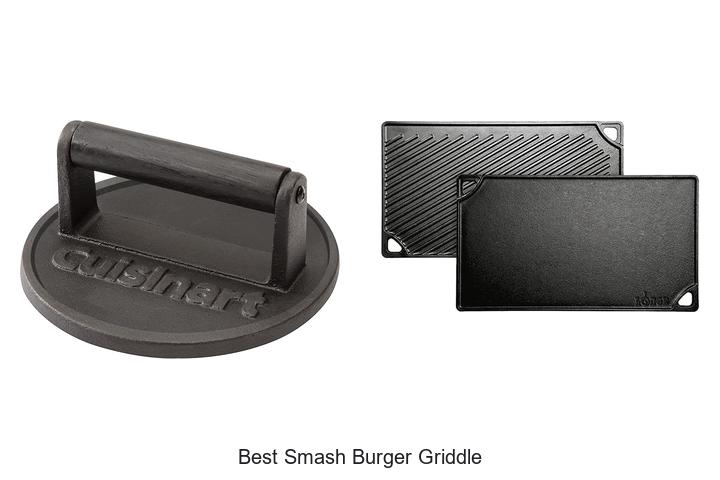
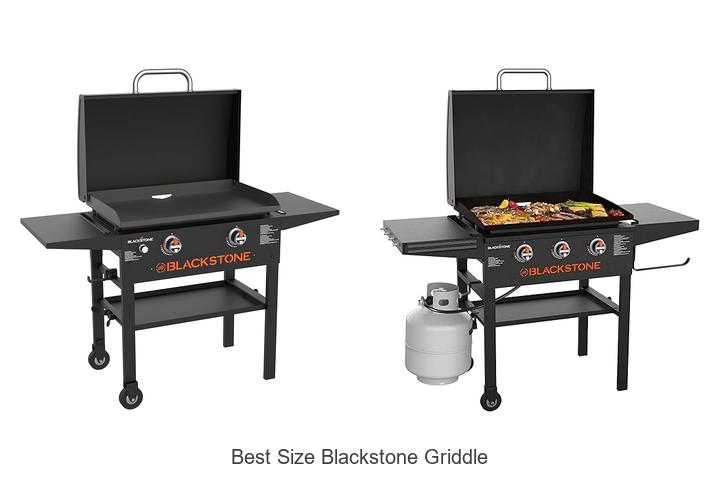
To care for cast iron cookware, first choose the right size and type for your needs. Before use, rinse with warm water and avoid soap to protect seasoning. Season your pan by applying a thin oil layer and baking it at 450°F for an hour. After cooking, clean with hot water and a brush, dry thoroughly, then oil lightly. For stubborn residue or rust, scrub with salt or steel wool, dry well, and re-season as needed. Discover more ways to keep your cookware performing beautifully.
Selecting the Right Cast Iron Cookware
When selecting the right cast iron cookware, you’ll want to contemplate the size and weight that suit your cooking needs and comfort. If you often cook for one or two people, a smaller skillet—around 8 to 10 inches—will be easier to handle and store.
For family meals or batch cooking, a larger pan, such as 12 inches or more, offers ample surface area. Consider the weight, too; cast iron is heavy, so pick a piece you can comfortably lift and maneuver.
Also, decide between a traditional skillet, Dutch oven, or griddle depending on your recipes. Handles with a helper grip can make lifting safer.
Finally, check for smooth seasoning and minimal casting imperfections to assure even cooking and easy maintenance.
Initial Cleaning Before First Use
Although many cast iron pans come pre-seasoned, you should give your cookware an initial cleaning before using it. Start by rinsing the pan with warm water to remove any dust or manufacturing residues.
Avoid using soap or harsh detergents, as they can strip away the seasoning layer. Instead, gently scrub the surface with a stiff brush or non-metallic scrubber to clean off any debris.
After rinsing thoroughly, dry the pan completely with a clean towel or by heating it on the stove for a few minutes. This prevents any moisture that can cause rust.
Taking these steps ensures your cast iron is clean and ready for cooking, helping maintain its quality and longevity right from the start.
Proper Seasoning Techniques
Since seasoning creates a natural non-stick surface and protects your cast iron from rust, you’ll want to apply it correctly.
Start by preheating your oven to 450°F (230°C). Thoroughly dry your cookware, then rub a thin, even layer of vegetable oil or melted shortening all over the surface—inside and out. Use a cloth or paper towel to remove any excess oil; too much can cause sticky residue.
Place the pan upside down on the oven’s middle rack, with a foil-lined tray below to catch drips. Bake for one hour, then turn off the oven and let the cookware cool inside.
Repeat this seasoning process 2-3 times for a durable, smooth coating that improves with use and care.
Daily Cleaning After Cooking
To keep your cast iron cookware in top condition, you’ll want to clean it promptly after each use. Start by letting the pan cool slightly but clean it while it’s still warm. Use hot water and a stiff brush or non-abrasive sponge to remove food particles. Avoid soap if possible, as it can strip the seasoning. If you need soap, use it sparingly. Never soak your cast iron or put it in the dishwasher.
After washing, dry it thoroughly with a towel or by heating it on the stove to evaporate any moisture. Once dry, apply a thin layer of cooking oil to the surface to maintain its seasoning and prevent rust.
This simple daily cleaning routine will keep your cast iron ready for the next meal.
Removing Stubborn Residue and Rust
When stubborn residue or rust appears on your cast iron cookware, don’t worry—you can restore its surface with a few effective techniques.
For stuck-on food, scrub the pan with coarse kosher salt and a little water using a scrub pad or brush. This abrasive action helps lift residue without damaging the seasoning.
If rust develops, gently scrub the affected areas with steel wool until the rust is gone. After scrubbing, rinse the pan thoroughly and dry it completely to prevent further rusting.
Avoid soaking your pan in water, as this can worsen rust.
Once clean and dry, you can move on to maintaining your pan’s surface. These steps will help keep your cast iron cookware in great shape for years.
Re-seasoning Your Cast Iron Pan
Although your cast iron pan may look clean after scrubbing, its protective seasoning might’ve worn off, making re-seasoning essential.
To re-season, first dry your pan thoroughly to prevent rust. Next, apply a thin layer of vegetable oil or flaxseed oil all over the pan, including the handle and bottom. Use a cloth or paper towel to spread the oil evenly, wiping away any excess to avoid sticky spots.
Then, place the pan upside down in a preheated oven at 450°F (230°C) with a foil-lined rack underneath to catch drips. Bake it for one hour, allowing the oil to polymerize and create a durable non-stick coating.
Let the pan cool completely in the oven before removing it. Repeat this process if needed to restore a strong, lasting seasoning layer.
Storing Cast Iron to Prevent Damage
Once you’ve re-seasoned your cast iron pan, proper storage helps maintain its coating and prevents rust or damage. Always store your pan in a dry place with good air circulation to avoid moisture buildup.
Avoid stacking your cast iron with other cookware directly; if you must stack, place a paper towel or cloth between pieces to protect the seasoning. Never seal your cast iron in airtight containers or wrap it in plastic, as trapped moisture can cause rust.
If your kitchen is humid, consider placing a moisture absorber nearby. Ultimately, if you store your pan with the lid on, leave a small gap for air to circulate.
These simple steps will keep your cast iron in great shape and ready for your next use.
Tips for Cooking With Cast Iron
Because cast iron retains heat exceptionally well, you’ll want to preheat your pan gradually to avoid uneven cooking or sticking. Start on low to medium heat and increase slowly.
Always use a bit of oil or fat; it creates a natural non-stick surface and enhances flavor. Avoid cooking acidic foods like tomatoes for long periods, as they can wear down the seasoning.
When flipping or stirring, use metal, wood, or silicone utensils—cast iron is durable, but these tools help maintain the seasoning.
After cooking, let the pan cool slightly before cleaning to prevent warping.
With these tips, you’ll get the best performance and longevity from your cast iron cookware every time you cook.
When to Replace Your Cast Iron Cookware
Even the toughest cast iron cookware won’t last forever, so it’s important to recognize when it’s time to replace yours. If you notice deep cracks, severe rust that won’t scrub off, or warped surfaces that affect cooking, these are clear signs to get a new pan.
Also, if your cast iron has lost its seasoning despite repeated efforts or develops rough, uneven texture that impacts food release, consider replacing it. While minor chips or scratches can be fixed with seasoning, structural damage can compromise safety and cooking quality.
If your cookware feels excessively heavy or unstable, it might be time for an upgrade. Regularly inspect your cast iron, and when you spot these issues, don’t hesitate to invest in a new piece to keep your cooking safe and enjoyable.
Frequently Asked Questions
Can Cast Iron Cookware Be Used on Induction Cooktops?
Yes, you can use cast iron cookware on induction cooktops. Its magnetic properties make it perfect for induction cooking, ensuring even heat distribution. Just be careful not to scratch the cooktop surface while cooking.
Is It Safe to Cook Acidic Foods in Cast Iron?
You can cook acidic foods in cast iron, but avoid long cooking times since acids can break down the seasoning and cause metallic taste. Stick to shorter durations or well-seasoned pans to keep your cookware safe and tasty.
How Does Cast Iron Compare to Stainless Steel Cookware?
Cast iron heats evenly and retains heat better than stainless steel, but it’s heavier and needs seasoning. Stainless steel is lighter, non-reactive, and easier to maintain, making it great for quick cooking and acidic foods.
Can Cast Iron Cookware Be Put in the Dishwasher?
You shouldn’t put cast iron cookware in the dishwasher because it can strip the seasoning and cause rust. Instead, wash it by hand with warm water and a brush, then dry and oil it promptly.
What Are Common Mistakes to Avoid With Cast Iron Care?
Don’t soak cast iron or use soap harshly; it strips seasoning. Avoid dishwasher use and sudden temperature changes to prevent warping. Dry thoroughly and oil after each use to keep it rust-free and non-stick.
Conclusion
Caring for your cast iron cookware is easier than you might think. By selecting quality pieces, seasoning them properly, and cleaning them right after use, you’ll keep your pans in great shape for years. Don’t forget to tackle stubborn residue and rust promptly, and store your cookware in a dry place. With these simple steps, your cast iron will deliver amazing cooking results and last a lifetime. Keep it seasoned, clean, and ready to cook!