Key Takeaways
- Regular cleaning and proper seasoning of your Blackstone griddle are essential to maintain its non-stick surface and prevent rust.
- Use high-smoke point oils like flaxseed, canola, or grapeseed for seasoning to create a durable, protective coating.
- Always clean your griddle immediately after use using metal scrapers and avoid soap to preserve the seasoning layer.
- Deep clean and re-season your griddle periodically to remove buildup and restore optimal cooking performance.
- Store your griddle covered in a dry, ventilated area to protect it from weather damage and rust formation.
- Troubleshoot common issues like rust and uneven heating promptly with proper cleaning, burner inspection, and reseasoning.
Your Blackstone griddle is a powerful tool for outdoor cooking, delivering delicious meals with ease. To keep it performing at its best, proper care and maintenance are essential. Without the right attention, your griddle can lose its seasoning, rust, or develop uneven cooking surfaces.
Taking a few simple steps to clean and season your Blackstone griddle after each use will extend its lifespan and ensure every meal tastes amazing. Whether you’re a beginner or a seasoned griddle master, knowing how to care for your griddle will save you time and money while enhancing your cooking experience. Let’s dive into the key tips that will keep your Blackstone griddle in top shape.
Understanding Your Blackstone Griddle
Knowing your Blackstone griddle’s components and features helps you maintain it effectively. Proper care extends its lifespan and ensures consistent cooking results.
Key Components and Features
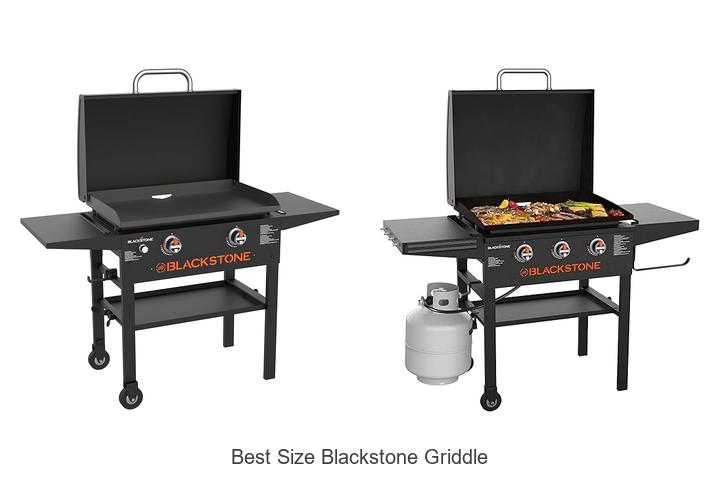
You’ll find several essential parts on your Blackstone griddle:
- Cooking Surface: Made of cold-rolled steel, this flat top offers even heat distribution critical for searing and cooking.
- Burners: Typically, 2 to 4 high-output burners provide adjustable heat zones for versatile cooking.
- Drip Tray: Positioned under the cooking surface to collect grease and food debris, making cleanup easier.
- Control Knobs: Allow precise flame control in up to 12,000 BTU increments per burner, adapting to various cooking needs.
- Frame and Legs: Constructed from powder-coated steel or stainless steel to resist rust and support weight.
Familiarity with these parts aids in targeted cleaning and timely maintenance.
Importance of Proper Care
Proper care prevents rust formation and preserves the seasoning layer on the cooking surface. You prevent uneven cooking spots and extend your griddle’s functional life by cleaning grease and food residue after every use. You retain heat efficiency and avoid costly repairs when you regularly inspect and maintain burners and control knobs. Blackstone griddles resist corrosion best when stored dry and covered, especially during off-seasons.
Preparing Your Griddle for First Use
Preparing your Blackstone griddle properly before the first cook ensures a smooth cooking experience and prolongs the griddle’s life. Follow these steps to season and clean the surface effectively.
Seasoning the Surface
Start by applying a thin layer of high-smoke point oil, such as flaxseed, canola, or grapeseed oil, to the entire cooking surface. Heat the griddle on medium-high until the oil begins to smoke, then reduce the heat and let it cook for about 30 minutes. This process creates a durable, non-stick blackened layer that protects the steel from rust and enhances food release. Repeat the seasoning process two to three times for maximum protection.
Initial Cleaning Tips
Avoid soap or harsh detergents when cleaning your new griddle since they strip the seasoning. Instead, scrape off any residue with a metal spatula or scraper immediately after cooking and wipe the surface with a hot, damp cloth. If needed, use a small amount of water and a non-metal scrub pad. Dry the griddle thoroughly and apply a light coat of oil before storing it to maintain the seasoning and prevent rust.
Daily Cleaning and Maintenance
Daily cleaning and maintenance keep your Blackstone griddle in peak condition and extend its lifespan. Consistency in care preserves the seasoning layer and prevents rust buildup.
Cleaning After Each Use
Clean the cooking surface immediately after cooking. Use a metal spatula or scraper to remove food particles and grease while the griddle remains warm but not hot enough to cause injury. Wipe the surface with a damp cloth or paper towel to clear leftover residue. Avoid soap or detergents since they strip the seasoning. Apply a thin, even layer of high-smoke point oil, such as flaxseed or canola oil, to protect the griddle and prepare it for the next use.
Removing Stubborn Residue
Scrape off stuck-on residue using the metal scraper, applying firm pressure and working in small sections. Heat the griddle slightly if the residue is hard to remove, but never overheat to avoid damaging the seasoning. For burnt-on spots, use a paste of baking soda and water applied directly to the area, allowing it to sit for a few minutes before scrubbing with a non-abrasive pad. Rinse with a damp cloth and reapply oil to reseason the surface and prevent rust.
Regular Deep Cleaning and Maintenance
Regular deep cleaning and maintenance keep your Blackstone griddle performing at its best. These tasks restore the surface and prolong the griddle’s life beyond daily upkeep.
Stripping the Surface
Stripping the surface removes built-up residue and old seasoning that daily cleaning can’t eliminate. Use a metal scraper or grill brick while the griddle is warm but not hot to avoid damage. For tougher buildup, apply cooking oil and let it sit for a few minutes before scraping. Avoid harsh chemicals or soap since they may harm the metal and seasoning layer. After scraping, wipe the surface with paper towels or a damp cloth to clear away debris.
Re-Seasoning Process
Re-seasoning your griddle rebuilds the protective oil layer essential for preventing rust and maintaining non-stick properties. Start by thoroughly drying the griddle after cleaning. Apply a thin, even coat of high smoke-point oil such as flaxseed, canola, or grapeseed oil over the entire cooking area. Heat the griddle on medium-high until the oil smokes, then reduce heat and hold for 10–15 minutes to polymerize the coating. Let the surface cool and repeat the oiling and heating cycle 2–3 times for optimal protection. Regular re-seasoning ensures a resilient, smooth cooking surface.
Preventative Care Tips
Maintaining your Blackstone griddle proactively keeps it in prime condition longer and ensures consistent cooking results. Follow these preventative measures to protect your investment and enhance performance.
Using the Right Tools and Oils
Use metal spatulas, scrapers, and grill bricks designed for griddles to clean without damaging the cooking surface. Avoid abrasive brushes or steel wool that can remove seasoning layers. Select oils with high smoke points such as flaxseed, grapeseed, or canola oil for seasoning and reseasoning. These oils create durable non-stick coatings and resist burning. Apply a thin, even layer of oil after each cleaning to maintain the seasoning and prevent rust formation. Refrain from cooking with butter or olive oil for seasoning as they have lower smoke points and may leave sticky residues.
Protecting from Weather and Rust
Store your Blackstone griddle under a weatherproof cover that fits snugly to shield it from rain, snow, and dust. Position the griddle in a dry, ventilated area to minimize moisture buildup that causes rust. If outdoor storage is unavoidable, raise the griddle off the ground to prevent water pooling underneath. Apply a light coat of oil to the cooking surface before storage to reinforce the protective seasoning layer. Inspect your griddle regularly for rust spots and address them promptly by scrubbing with a wire brush and reseasoning. These steps reduce corrosion risks and help preserve an even cooking surface over time.
Troubleshooting Common Issues
Addressing common problems quickly helps maintain your Blackstone griddle’s performance and extends its lifespan. Below are solutions to rust and uneven heating issues.
Rust Removal
Remove rust from your griddle by scraping the affected areas with a metal spatula while the surface is warm. If rust persists, apply a mixture of equal parts white vinegar and water using a cloth, then scrub gently. Rinse with warm water and dry thoroughly. Re-season the surface immediately by applying a thin layer of high-smoke point oil and heating until it smokes. Repeat this process 2-3 times to restore the protective coating and prevent future rust formation.
Uneven Heating Problems
Identify uneven heating by monitoring hot spots or cold zones during cooking. Check burner flames to ensure they burn blue and consistent; yellow or flickering flames indicate blockage or fuel issues. Clean burner tubes with compressed air or a pipe cleaner to remove debris. Tighten connections and inspect control knobs for proper function. If problems continue, verify that grease buildup or residue on the cooking surface hasn’t caused heat obstruction. Perform a thorough cleaning and re-seasoning to restore even heat distribution.
Conclusion
Taking care of your Blackstone griddle is a smart investment in your cooking experience. With regular attention and the right techniques, you’ll keep your griddle performing at its best and enjoy delicious meals for years to come.
By staying proactive with maintenance and handling your griddle properly, you avoid common issues that can disrupt your outdoor cooking. Remember, a well-maintained griddle not only lasts longer but also delivers consistent, even heat every time you fire it up. Keep these practices in mind, and your Blackstone griddle will be ready whenever you are.
Frequently Asked Questions
How often should I clean my Blackstone griddle?
Clean your griddle immediately after each use by scraping off food residue while it’s still warm and wiping with a damp cloth. Avoid soap to preserve the seasoning.
What oil is best for seasoning a Blackstone griddle?
Use oils with a high smoke point like flaxseed, grapeseed, or canola oil for seasoning. Avoid butter and olive oil as they have lower smoke points.
How do I season my Blackstone griddle for the first time?
Apply a thin layer of high-smoke point oil on the cooking surface. Heat the griddle until the oil smokes, then repeat this process several times for a strong, non-stick surface.
Can I use soap to clean my griddle?
No, avoid soap and harsh detergents as they strip away the seasoning. Use a metal scraper or spatula and a hot, damp cloth to clean the surface instead.
How do I prevent rust on my Blackstone griddle?
Keep the griddle dry and apply a light coat of oil after each cleaning. Store it covered and in a dry place to protect it from moisture and rust.
What should I do if my griddle develops rust?
Scrape off rust spots while the griddle is warm, then scrub with a vinegar and water mix if needed. Re-season the surface immediately after rust removal.
Why is my Blackstone griddle heating unevenly?
Uneven heating usually results from dirty or clogged burners or grease buildup on the cooking surface. Clean burner tubes and the griddle regularly to maintain even heat.
How do I do a deep clean on my Blackstone griddle?
Warm the griddle and use a metal scraper or grill brick to remove buildup and old seasoning. After cleaning, reapply oil and heat the surface to re-season it thoroughly.
What tools are best for maintaining my griddle?
Use metal spatulas and scrapers designed for griddles. Avoid abrasive tools that can damage the seasoning layer and reduce the lifespan of your cooking surface.
Should I oil my griddle before storing it?
Yes, applying a thin layer of oil before storage protects the seasoning and prevents rust, especially during long periods of non-use like off-seasons.