Key Takeaways
- Proper seasoning of a Blackstone griddle typically takes 2 to 3 hours, involving 3 to 4 thin coats of high smoke point oil heated between 375°F and 450°F.
- Seasoning creates a durable, non-stick surface that prevents rust, improves heat distribution, and enhances cooking performance.
- Factors affecting seasoning time include griddle size, type of oil used, and maintaining consistent cooking temperatures.
- Using oils like flaxseed, canola, or grapeseed with high smoke points speeds up the seasoning process and results in a stronger coating.
- Regular maintenance seasoning after heavy use takes about 30 to 60 minutes to restore the protective layer and prolong griddle life.
- Avoid thick oil layers, fluctuating heat, poor surface cleaning, and seasoning in windy or damp conditions to ensure optimal seasoning results.
Seasoning your Blackstone griddle is a crucial step to unlock its full cooking potential and ensure a long-lasting non-stick surface. If you’re new to griddles or just picked up a Blackstone, you might be wondering how long this process takes. Knowing the right timing helps you get your griddle ready for delicious meals without unnecessary delays.
The seasoning process isn’t complicated, but it does require patience and attention. It typically involves multiple layers of oil baked into the surface to create that perfect coating. Understanding how long to season your Blackstone griddle will save you time and frustration while setting you up for countless tasty cooking sessions ahead.
Understanding Blackstone Griddles
Knowing what a Blackstone griddle is and why seasoning matters helps you get the best results from your cooking surface.
What Is a Blackstone Griddle?
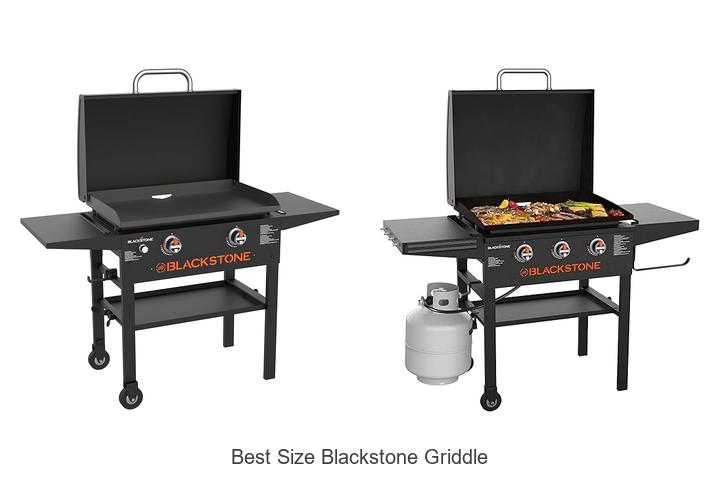
A Blackstone griddle features a flat, steel cooking plate designed for outdoor use. It heats evenly across its surface, allowing you to cook various foods such as pancakes, steaks, and vegetables. The griddle connects to a propane tank or natural gas supply, offering precise temperature control for versatile cooking styles.
Importance of Seasoning a Griddle
Seasoning creates a durable, non-stick layer on the Blackstone griddle by bonding oil to the steel through heating. This layer prevents food from sticking, protects against rust, and improves heat distribution. Proper seasoning ensures your griddle maintains performance and longevity, letting you cook efficiently without excessive oil or sticking concerns.
Factors Affecting Seasoning Time
Seasoning time depends on several variables that influence how quickly your Blackstone griddle develops a durable, non-stick surface. Understanding these factors helps you manage expectations and optimize the process.
Griddle Size and Material
Larger griddles take longer to season because more surface area requires consistent oil application and heating. Your Blackstone griddle’s steel material absorbs and distributes heat uniformly, but thicker plates may need extra time to reach optimal seasoning temperatures. Each additional square inch extends the seasoning duration proportionally.
Type of Oil Used
Oils with higher smoke points, like flaxseed, canola, or grapeseed, polymerize faster and create a stronger seasoning layer. Using oils with lower smoke points may slow the curing process or cause uneven layers. Choosing oils specifically suited for high-heat cooking reduces your seasoning time while improving surface durability.
Cooking Temperature and Environment
Maintaining a consistent temperature between 375°F and 450°F accelerates seasoning by ensuring proper oil breakdown and bonding. Fluctuating heat or outdoor conditions like wind and humidity can lengthen the process by cooling the griddle surface or affecting oil polymerization. Season your griddle in a sheltered area with controlled heat for faster and more consistent results.
Step-by-Step Guide to Seasoning a Blackstone Griddle
Follow these key steps to season your Blackstone griddle properly. Each step ensures a durable, non-stick surface that improves with use.
Cleaning and Preparing the Surface
Start by removing packaging oils and residues using warm, soapy water and a scrub brush or sponge. Rinse thoroughly and dry the griddle completely with a clean cloth or paper towels. Avoid letting water sit on the surface as this causes rust. You may also preheat the griddle to evaporate any leftover moisture.
Applying Oil Evenly
Choose an oil with a high smoke point, such as flaxseed, canola, or grapeseed oil. Pour a thin layer across the entire surface using a paper towel or cloth. Spread the oil evenly, ensuring all edges and corners are coated. Avoid pooling or thick layers that cause uneven seasoning or sticky spots.
Heating and Cooking Duration
Preheat the griddle to between 375°F and 450°F to allow the oil to polymerize and bond with the surface. Maintain this temperature for 30 to 60 minutes during the first seasoning cycle. The heat causes the oil to carbonize, forming the base layer of seasoning. You may notice smoke during this process; vent the area well.
Number of Coating Layers Recommended
Apply a minimum of 3 to 4 thin oil layers to build a durable, non-stick patina. After each heating cycle, allow the griddle to cool slightly before adding the next oil coat. Multiple seasoning layers improve rust resistance and enhance cooking performance, reducing food sticking over time.
Typical Timeframe for Seasoning a Blackstone Griddle
Seasoning your Blackstone griddle takes specific time for initial preparation and ongoing maintenance. Understanding these timeframes ensures your griddle stays in optimal condition for cooking.
Initial Seasoning Time
Initial seasoning requires about 2 to 3 hours. Start by applying 3 to 4 thin coats of high smoke point oil, preheating the griddle at 375°F to 450°F for 30 to 60 minutes per coat. Each layer bonds to the steel, forming a durable, non-stick surface. Larger griddles may slightly extend this total time due to surface area but follow the same layering and heating process to build a proper seasoning.
Maintenance Seasoning and Recoating
Maintenance seasoning takes roughly 30 to 60 minutes whenever needed. After heavy use or exposure to moisture, cleaning the surface and applying a thin oil layer subjected to 375°F to 450°F heat helps restore the coating. Regular maintenance prevents rust and maintains the non-stick patina without the extended time required for initial seasoning. Recoating every few uses keeps performance consistent and extends your griddle’s lifespan.
Tips to Speed Up the Seasoning Process
Speeding up the seasoning process improves your Blackstone griddle’s readiness without compromising quality. Use targeted methods to build a strong seasoning layer faster.
Choosing the Right Oil
Select oils with high smoke points for faster polymerization and a more durable coating. Flaxseed, grapeseed, and canola oils work best because they withstand higher temperatures without burning. Avoid oils with low smoke points like olive oil, which can smoke excessively and produce a sticky residue. Apply thin, even layers to ensure rapid bonding and prevent pooling that slows drying time.
Maintaining Consistent Heat
Keep your griddle’s temperature steady between 375°F and 450°F throughout the seasoning session. Consistent heat accelerates the oil’s chemical transformation into a hard, non-stick layer. Use a reliable thermometer or built-in gauge to monitor temperature and adjust burners as needed. Avoid overheating, as it can break down the oil and weaken the seasoning. Likewise, fluctuating temperatures extend the time needed for proper seasoning.
Avoiding Common Mistakes
Apply oil sparingly and evenly; thick or uneven oil layers cause sticky buildup that prolongs seasoning. Clean the surface thoroughly before seasoning to remove dust and oils from manufacturing or previous use, preventing incomplete bonding. Don’t rush the cooling time between layers—allow partial cooling to ensure each layer cures properly. Skip seasoning on windy or damp days, which hinder heat control and oil polymerization.
Conclusion
Seasoning your Blackstone griddle is a crucial step that sets the foundation for great cooking results. While it takes a bit of time and patience, the effort you put into building those layers of seasoning pays off with a durable, non-stick surface that protects your griddle and improves its performance.
By following the right process and using the appropriate oils and temperatures, you’ll ensure your griddle is ready to handle everything from breakfast to dinner with ease. Keep up with regular maintenance seasoning to extend the life of your griddle and keep it cooking like new. Your patience will be rewarded every time you fire it up.
Frequently Asked Questions
What is a Blackstone griddle?
A Blackstone griddle is a flat, steel cooking surface designed for outdoor use. It heats evenly and uses propane or natural gas as fuel, making it ideal for grilling, searing, and frying a variety of foods.
Why is seasoning a Blackstone griddle important?
Seasoning creates a non-stick surface that prevents food from sticking, protects against rust, and improves heat distribution, ensuring better cooking performance and extending the griddle’s lifespan.
How long does it take to season a Blackstone griddle initially?
Initial seasoning typically takes 2 to 3 hours. This includes applying 3 to 4 thin layers of oil and heating each layer at 375°F to 450°F for 30 to 60 minutes.
What type of oil should I use for seasoning?
Use oils with high smoke points like flaxseed, canola, or grapeseed oil. These oils polymerize faster and form a stronger, more durable seasoning layer.
How often should I season my griddle after the initial seasoning?
For maintenance, lightly oil the griddle after heavy use or exposure to moisture, which usually takes 30 to 60 minutes. Regular maintenance keeps the seasoning intact and prevents rust.
Can I speed up the seasoning process?
Yes. Use high smoke point oils, maintain steady heat between 375°F and 450°F, and apply thin, even layers of oil. Avoid seasoning in windy or damp conditions to ensure quality.
What are common mistakes to avoid when seasoning?
Don’t apply oil too thickly or unevenly, skip cleaning the surface, rush cooling between layers, or season in windy or moist environments. These errors can lead to poor seasoning results.
Does the size of the griddle affect seasoning time?
Yes, larger griddles take longer to season due to the increased surface area, but the seasoning process and temperatures remain the same.
How should I prepare the griddle before seasoning?
Clean the surface thoroughly to remove factory oils and residues. This ensures the oil bonds properly to the metal during seasoning.
What temperature should I maintain during seasoning?
Maintain a consistent temperature between 375°F and 450°F to allow the oil to polymerize properly and form a durable, non-stick coating.