Cooking with cognac can add a rich depth of flavor to many dishes, but choosing the right one can be tricky. Many brands are made for sipping, which means they might be too expensive or have flavors that don’t blend well in recipes.
Finding the best cognac for cooking means looking for options that balance quality with taste and cost. This guide focuses on selecting cognac varieties well-suited for cooking purposes. Whether you’re preparing sauces, desserts, or marinades, the right cognac can enhance your dish without overpowering it.
In this review, you’ll learn about several popular cooking cognacs, what makes them stand out, and which ones offer the best value for your kitchen. The goal is to help you make an informed choice that improves your culinary results without overspending.
Elevate Your Culinary Creations with These Top Spirit Choices
| Image | Product | Price |
|---|---|---|
Our Top Picks 1  | Amoretti – Cognac “French Brandy” Extract 88% alc. Water Soluble | Buy Now |
Our Top Picks 2  | Mary DiSomma’s | Gourmet Cognac Barrel-aged Madagascar Pure Vanilla Extract | Buy Now |
Our Top Picks 3  | Natural Brandy Flavor – 4 FL OZ | Buy Now |
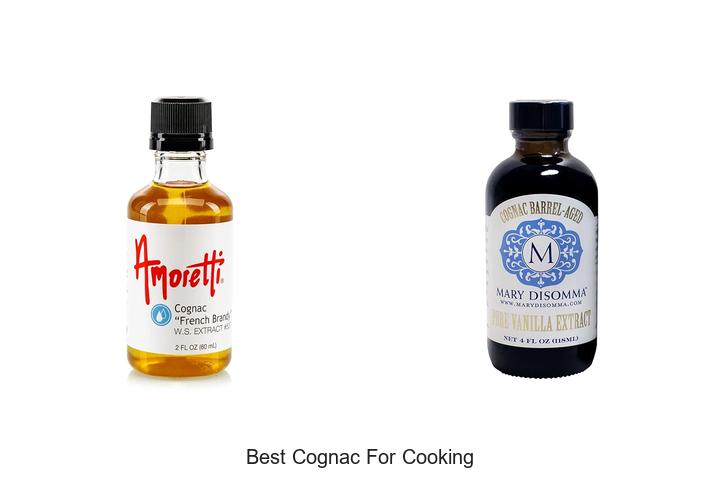
1. Amoretti – Cognac “French Brandy” Extract 88% alc. Water Soluble
Amoretti Cognac French Brandy Extract offers a rich, authentic flavor that elevates any culinary creation. Perfectly crafted for cooking, baking, and even brewing, this highly concentrated extract brings a gourmet touch to your recipes with just a few drops.
Ideal for both professional chefs and home cooks seeking quality, it maintains its delightful essence through baking and freeze-thaw cycles. This water-soluble extract is a versatile ingredient that transforms desserts, sauces, and beverages alike.
Carefully formulated without preservatives, artificial colors, gluten, or animal products, this extract suits various dietary preferences including vegan, kosher pareve, and keto. Its remarkable concentration ensures each use infuses intense cognac flavor without overpowering your dish. Crafted from the finest ingredients, the extract preserves natural aromas and tastes, offering consistent performance in every bottle.
Crafted from the finest ingredients, the extract preserves natural aromas and tastes, offering consistent performance in every bottle. Its water solubility makes blending into both liquid and solid recipes effortless, adding convenience in the kitchen. Designed for durability, the product withstands baking temperatures and freeze-thaw cycles without fading or losing potency.
Whether enhancing frostings, macarons, or cocktails, it delivers a true French brandy profile. This extract provides an exceptional balance of quality and versatility, enhancing flavor without additional alcohol content, suitable for those seeking refined taste in cooking.
Pros
- Highly concentrated, requiring minimal use for strong flavor impact
- Preservative-free, gluten-free, vegan, kosher pareve, and keto-friendly
- Bake-proof and freeze-thaw stable for versatile culinary applications
Cons
- Premium quality comes with a higher price point
This Amoretti Cognac Extract blends exceptional flavor and flexibility, making it an excellent choice for anyone aiming to enhance recipes with authentic French brandy notes. Its purity and concentration provide great value in a specialized cooking ingredient.
2. Mary DiSomma’s | Gourmet Cognac Barrel-aged Madagascar Pure Vanilla Extract
Mary DiSomma’s Gourmet Cognac Barrel-aged Madagascar Pure Vanilla Extract delivers an exquisite flavor experience. Aged for 30 days in cognac barrels, this vanilla extract boasts rich citrus, caramelized fruit, and spice notes.
The artisanal nature of this vanilla extract results in a product with deep, complex flavors. Packaged in a tinted bottle, it maintains optimal freshness and quality. The beautiful, stain-resistant label adds a touch of elegance, making it an excellent gift option for culinary gift-givers.
The beautiful, stain-resistant label adds a touch of elegance, making it an excellent gift option for culinary gift-givers.
Handcrafted in the USA, this vanilla extract combines pure Madagascar vanilla bean extractives with 35% alcohol and water. The natural ingredients exclude gluten and high fructose corn syrup, maintaining a clean and authentic taste. Each batch follows Mary’s original homemade vanilla recipe, ensuring consistent quality and flavor.
The careful barrel-aging process enhances the vanilla’s profile, offering a refined depth uncommon in regular extracts. Its versatility supports a broad range of recipes, from delicate pastries to savory dishes requiring subtle notes of cognac.
The packaging protects the extract’s flavor while the convenient design makes it easy to use straight from the bottle. This extract is suited for serious home cooks and professional chefs seeking premium, natural vanilla flavor in their cooking creations.
Pros
- Barrel-aged for 30 days, enhancing complex flavor notes
- Made from pure Madagascar vanilla and natural ingredients
- Gluten-free and free from high fructose corn syrup
Cons
- Premium extract with a higher price point compared to standard vanilla extracts
Mary DiSomma’s vanilla extract offers an exceptional culinary addition with authentic flavors and thoughtful craftsmanship. Its unique cognac barrel aging brings sophisticated taste elements that enhance both baking and cooking experiences.
3. Natural Brandy Flavor – 4 FL OZ
Natural Brandy Flavor offers an excellent alternative to traditional brandy by delivering authentic taste without alcohol content. It’s perfect for those wanting to add depth and richness to baked goods and desserts without compromising dietary preferences.
Crafted with natural ingredients, this flavor enhances a variety of recipes from cakes to cookies. Its kosher and gluten-free attributes make it a versatile pantry staple for many home cooks and professional bakers alike.
This flavoring provides a genuine brandy taste that complements sweets and savory dishes effortlessly. The 4 FL OZ bottle is convenient to use and stores well for long-term freshness. Each drop offers a robust aroma that enriches recipes instantly upon use.
Being a non-alcoholic substitute, it’s suitable for diverse dietary needs and allows culinary creativity without restrictions. Production in the USA assures quality control and adherence to high manufacturing standards. It’s an ideal choice for bakers looking to maintain flavor integrity while catering to various dietary limitations.
It’s an ideal choice for bakers looking to maintain flavor integrity while catering to various dietary limitations.
Pros
- Natural, alcohol-free brandy flavor suitable for all diets
- Kosher and gluten-free, safe for various dietary preferences
- Produced in the USA ensuring quality and consistency
Cons
- Considered slightly pricier than conventional flavor extracts
This brandy flavoring balances quality and versatility effectively. It serves as a dependable choice for adding a natural essence to recipes, especially when avoiding alcohol. Its premium characteristics make it worthwhile for anyone seeking reliable flavor enhancement in cooking and baking.
Its premium characteristics make it worthwhile for anyone seeking reliable flavor enhancement in cooking and baking.
Top 7 Best Cognac for Cooking: A Quick Buying Guide
Packaging and storage
When selecting the best cognac for cooking, considering the appropriate bottle size based on how often and in what quantity you plan to use it can save both money and reduce waste. Smaller bottles tend to be ideal for occasional cooking as they keep the cognac fresh for longer once opened, while larger bottles suit those who cook regularly or prepare dishes requiring more generous amounts.
Paying attention to packaging details can also provide clues about authenticity and quality—sealed caps, clear labeling, and proper markings indicate the product is fresh and genuine, which is particularly important in cooking applications where flavor impact matters. By choosing the right size, storing it carefully, and verifying packaging authenticity, you can make the most out of the best cognac for cooking in your kitchen.
Alcohol content and its effect in recipes
Cooking cognac typically contains alcohol percentages ranging from 40% to 60%, which plays a significant role in how it interacts with food during preparation. The higher the alcohol content, the more pronounced its ability to ignite and flambé, while also influencing the depth of flavor that infuses into the dish.
When using cognac in recipes, alcohol serves to extract and enhance the aromas of other ingredients, but it can also overpower if not balanced carefully. To manage the intensity of the alcohol flavor, one useful approach is to control the cooking time after adding cognac; allowing the alcohol to simmer or burn off partially helps mellow the sharpness and strengthens the overall taste profile. Choosing a cognac suited for cooking means selecting one with a smooth flavor that complements the dish without becoming too dominant, and considering the amount used helps maintain harmony between richness and subtlety in meals.
Quality and grade of cognac
When selecting cognac for cooking purposes, understanding the differences between VS, VSOP, and XO grades can greatly impact the flavor outcome of your dishes. VS, or Very Special, usually offers a younger, more robust profile that stands up well in recipes where the cognac is cooked off or reduced. VSOP, which means Very Superior Old Pale, tends to be smoother and more balanced, providing richer depth without overpowering the other ingredients.
XO, indicating Extra Old, delivers complex aromas and a refined taste, although it is less commonly used in cooking due to its higher price and delicate flavors that are best savored neat. Quality and grade influence not only the taste but also how the alcohol content interacts with your dish during cooking.
Reputable brands often clearly display their classification on the label and maintain consistent standards, which helps when choosing a cognac that enhances rather than competes with your recipe. Paying attention to these factors can guide you in picking a cognac that complements your culinary creations while matching your budget and cooking style.
Flavor profile and cooking compatibility
Understanding the different flavor notes found in cognac can greatly enhance its use in cooking, as each type brings unique characteristics that affect the final dish. Lighter cognacs with fruity and floral tones work well in delicate recipes, adding subtle complexity without overpowering other ingredients. Richer cognacs often feature notes of vanilla, caramel, or spice, making them ideal for heartier dishes or sauces that benefit from a deeper, mellow sweetness.
Richer cognacs often feature notes of vanilla, caramel, or spice, making them ideal for heartier dishes or sauces that benefit from a deeper, mellow sweetness. The aging process plays a significant role in this, as older cognacs develop more nuanced flavors that can elevate desserts or slow-cooked meals by imparting refined warmth. Matching the cognac type to the style of recipe ensures that the flavors blend harmoniously, providing a balanced enhancement rather than an overwhelming one.
When selecting cognac for cooking, keeping in mind the flavor profile, the intended dish, and how aging influences taste will help achieve the best cooking results without wasting a valuable spirit.
Price considerations
Choosing the best cognac for cooking involves understanding the key features that affect flavor and aroma in your dishes. A cognac with a smooth, rich profile contributes depth without overpowering other ingredients, making VS or VSOP varieties popular choices. These kinds offer a balance of aged complexity and affordability, ideal for sauces, stews, and desserts where a subtle hint of warmth and sweetness enhances the overall taste.
These kinds offer a balance of aged complexity and affordability, ideal for sauces, stews, and desserts where a subtle hint of warmth and sweetness enhances the overall taste. Cognac is often used in flambé recipes, reductions, or marinades, so selecting a bottle that complements your preferred cuisine can elevate home cooking experiences. When considering how much to spend, it makes sense to splurge on higher-quality cognac sparingly, especially for recipes where the flavor shines, while opting for more economical options works well in preparations that require larger quantities or lengthy cooking times.
Those who cook with cognac frequently might explore buying in bulk, which can offer savings and ensure a steady supply without compromising on cooking quality. Ultimately, balancing cost with flavor impact helps maintain enjoyment both in the kitchen and on the palate.
Additional ingredients and additives
When selecting the best cognac for cooking, paying attention to the purity of the cognac can greatly influence the final flavor of your dish. Pure cognac, which is made from grapes and aged without added flavorings, typically offers a richer and more authentic taste compared to flavored or blended versions that may contain sugars or other additives.
These additional ingredients can alter the natural aroma and sweetness, sometimes overpowering delicate recipes. Choosing a natural and additive-free option helps maintain the integrity of the original spirit, allowing it to complement meats, sauces, or desserts without unwanted surprises. This kind of cognac works well in recipes requiring slow cooking or flambe, where the clean taste will shine through.
When shopping, examining the label for clear indications of single distilled eau-de-vie or 100% grape-based content is a practical way to identify pure cognac and avoid blends or flavored varieties that could detract from your cooking experience.
Frquently Asked Questions
How Does The Quality Of Cognac Affect The Flavor Of Dishes?
The quality of cognac significantly influences the flavor profile of dishes. High-quality cognac, made from carefully selected grapes and aged meticulously, offers rich, complex flavors with smooth, balanced notes of fruit, spice, and oak. When used in cooking, it enhances the dish by adding depth and sophistication, elevating the overall taste experience. Conversely, lower-quality cognac may contain harsher, less refined flavors that can overpower or clash with other ingredients. Using premium cognac ensures a harmonious blend, enriching sauces, desserts, or marinades with subtle nuance and elegance.
What Are Some Popular Recipes That Call For Cognac As An Ingredient?
Cognac is a versatile ingredient used in both savory and sweet recipes. Popular dishes often include Beef Stroganoff, where cognac adds depth to the creamy mushroom sauce, and Coq au Vin, enhancing the rich flavors of chicken braised in wine and cognac. It’s also a key component in classic French sauces like Sauce Bordelaise. In desserts, cognac is commonly used in flambéed dishes such as Crêpes Suzette and enhances the flavor of chocolate mousse or fruitcake. Its warm, complex profile makes it a favored addition in many culinary creations.
How Should Cognac Be Stored When Used Primarily For Cooking Purposes?
When storing cognac for cooking purposes, it’s best to keep the bottle tightly sealed to prevent evaporation and oxidation, which can affect its flavor. Store it in a cool, dark place away from direct sunlight and temperature fluctuations, such as a pantry or cupboard, to maintain its quality over time. Since cognac used for cooking doesn’t require the same ideal serving conditions as drinking cognac, there’s no need for refrigeration. Proper storage ensures the cognac retains its distinctive flavor, enhancing the dishes it’s added to.
What Is The Best Type Of Cognac To Use For Cooking?
The best type of cognac for cooking is a VS (Very Special) or VSOP (Very Superior Old Pale) grade. These cognacs offer a good balance of quality and affordability, making them ideal for adding rich, complex flavors to dishes without overpowering them. VS cognacs are younger, with more vibrant and fruity notes, while VSOP variants bring a smoother, more refined taste, perfect for sauces and marinades. Using an inexpensive or cooking-specific cognac ensures your dish benefits from authentic flavor without the high cost of premium bottles. Avoid XO or luxury-grade cognacs, as their subtle nuances are better appreciated when sipped rather than cooked.
Can You Use Inexpensive Cognac For Cooking Without Compromising Taste?
Yes, you can use inexpensive cognac for cooking without significantly compromising taste. When cognac is used in cooking, especially in sauces or for deglazing, the alcohol mostly evaporates, leaving behind the rich, deep flavors. Inexpensive cognac still provides the essential caramel and fruity notes needed to enhance dishes. However, for recipes where cognac is a main ingredient or served alongside food, a higher-quality cognac might be preferable to ensure a refined flavor. Overall, for most cooking purposes, budget-friendly cognac works well.
Conclusion
Choosing the best cognac for cooking involves balancing flavor, quality, and price. While premium varieties bring rich, complex notes that enhance sauces and dishes, more affordable options can still deliver excellent depth without overwhelming the recipe.
The best cognac for cooking typically offers a smooth taste without excessive oak or sweetness, making it versatile for various culinary uses. This makes it well suited for home cooks and professionals who want to elevate their meals without investing in high-end spirits meant for sipping. Although some buyers may be concerned about cost or authenticity, selecting a reputable brand known for consistent performance can alleviate these worries.
Ultimately, opting for the right cognac tailored to cooking needs enhances your dishes while respecting your budget and taste preferences.