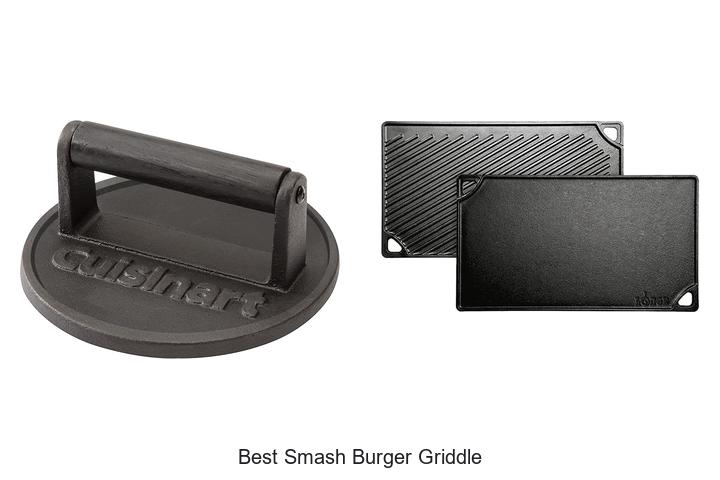
To store your cast iron cookware properly, start by cleaning and drying it thoroughly to prevent rust. Then, apply a thin layer of oil over the entire surface for protection. Keep your cookware in a dry, well-ventilated space, avoiding damp areas. Don’t stack without a barrier like a cloth or paper towel to protect the seasoning. Use absorbent materials for moisture control, and season regularly to maintain its non-stick surface. Knowing these tips sets you up for long-lasting cookware care.
Clean and Dry Thoroughly Before Storing
Before you store your cast iron cookware, make sure you clean and dry it thoroughly.
After cooking, wash the pan with warm water and a brush or sponge. Avoid using soap or harsh detergents, as they can strip the seasoning.
If there’s stubborn food residue, scrub gently with coarse salt and a little water.
Once clean, dry the cookware immediately and completely. You can use a towel or place it on low heat on the stove to evaporate any remaining moisture.
Leaving your cast iron damp can cause rust, which damages the surface and reduces its lifespan.
Taking these steps guarantees your cookware stays in great condition and ready for your next meal.
Proper cleaning and drying prevent common issues like rust and build-up.
Apply a Thin Layer of Oil to Prevent Rust
Even after thoroughly drying your cast iron, you’ll want to apply a thin layer of oil to its surface. This simple step creates a protective barrier that prevents moisture from causing rust.
Use a small amount of vegetable oil, flaxseed oil, or any cooking oil with a high smoke point. Pour a few drops on the cookware and spread it evenly using a clean cloth or paper towel.
Be sure to cover every inch, including the handle and underside. Avoid applying too much oil; a thin, even coat is enough.
This layer not only protects but also maintains the seasoning, keeping your cast iron ready for the next use. Regularly oiling your cookware before storage ensures it stays rust-free and in excellent condition.
Store in a Dry, Well-Ventilated Area
After coating your cast iron with oil, the next step is to store it properly to maintain its condition. Always choose a dry, well-ventilated area for storage. Moisture is the enemy of cast iron and can lead to rust, undoing all your seasoning efforts. Avoid damp basements or enclosed cabinets without airflow.
Instead, pick a spot where air circulates freely, like an open shelf or a kitchen rack near a window. Good ventilation helps keep your cookware dry and fresh, preventing mold or unpleasant odors.
If humidity is high, consider using a dehumidifier or placing silica gel packets nearby to absorb moisture. By storing your cast iron in the right environment, you’ll extend its lifespan and keep it ready for your next cooking adventure.
Avoid Stacking Without Protection
Why should you avoid stacking your cast iron cookware without protection? When you stack pans directly on top of each other, their surfaces can rub together, leading to scratches and damaging the seasoning layer. This wear not only affects the non-stick quality but also exposes the iron to moisture and air, causing rust.
To keep your cast iron in top shape, always place a barrier between pieces if you need to stack them. This simple step prevents abrasion and helps maintain the cookware’s integrity over time. Even a thin layer of cloth or a paper towel can make a big difference.
Protecting each piece ensures your cast iron stays durable, functional, and ready for your next cooking adventure without unnecessary wear or rust.
Use Paper Towels or Cloth to Absorb Moisture
Placing a barrier between stacked cast iron pieces helps prevent scratches, but managing moisture is just as important to protect your cookware.
After washing and drying your cast iron, place a paper towel or clean cloth inside and between each piece before storing. This simple step absorbs any lingering moisture that could cause rust.
Make sure your towels or cloths are completely dry to avoid trapping humidity. You can also replace the paper towels regularly if your cookware sits unused for a while.
Season Regularly to Maintain Non-Stick Surface
Regular seasoning is essential to keep your cast iron cookware’s non-stick surface in top shape. After cleaning and drying your pan, apply a thin layer of vegetable oil or flaxseed oil all over the surface.
Then, heat it in the oven at about 350°F (175°C) for an hour. This process bonds the oil to the metal, creating a durable, slick coating that prevents food from sticking and protects against rust.
Make seasoning a routine part of your care, especially after heavy use or thorough cleaning. By doing this regularly, you’ll maintain the pan’s performance and extend its lifespan.
Inspect and Re-Season if Necessary Before Use
Even with consistent seasoning, cast iron can develop spots that need attention before cooking. Before you use your skillet, inspect it closely for rust, sticky residue, or dull patches. These signs mean it’s time to re-season.
Start by cleaning the surface thoroughly with warm water and a stiff brush—avoid soap if you can. Dry it completely to prevent rust.
Then, apply a thin layer of high-smoke-point oil, like flaxseed or vegetable oil, all over the pan. Place it upside down in a preheated oven at 450°F (232°C) for an hour, putting foil underneath to catch drips.
Let it cool inside the oven. Doing this ensures your cast iron stays non-stick and rust-free, ready for your next meal.
Frequently Asked Questions
Can I Store Cast Iron Cookware Outside During Winter?
You shouldn’t store cast iron cookware outside during winter because moisture and freezing temperatures can cause rust and damage. Keep it dry and indoors to maintain its seasoning and guarantee it lasts for years to come.
Is It Safe to Store Cast Iron With Other Metal Cookware?
Yes, you can store cast iron with other metal cookware, but make sure everything’s dry to prevent rust. Use protective layers like cloth or paper towels between pieces to avoid scratches and keep your cookware in great shape.
How Long Can Cast Iron Be Stored Without Use?
You can store cast iron indefinitely if you keep it dry and well-seasoned. Just make sure you clean, dry, and lightly oil it before storing to prevent rust and maintain its cooking surface.
Can I Use Plastic Covers or Wraps for Cast Iron Storage?
You shouldn’t use plastic covers or wraps for cast iron storage since they trap moisture, causing rust. Instead, use a breathable cloth or paper towel to protect your cookware while allowing air circulation and preventing moisture buildup.
Does Storing Cast Iron in a Humid Climate Require Special Care?
Yes, storing cast iron in a humid climate means you’ll need special care. You should dry it thoroughly after use, apply a thin oil layer, and avoid airtight covers to prevent rust from moisture buildup.
Conclusion
By following these simple tips, you’ll keep your cast iron cookware in top shape for years to come. Always clean and dry it thoroughly, apply a thin layer of oil, and store it in a dry, well-ventilated spot. Avoid stacking without protection, use paper towels to absorb moisture, and season regularly. Don’t forget to inspect and re-season if needed before each use. Taking these steps guarantees your cast iron stays rust-free and ready for cooking anytime.