In the realm of culinary arts, the selection of appropriate cooking liquids can profoundly influence flavor development, ingredient tenderization, and aroma enhancement. Among these, sake—a fermented rice wine with distinct profiles of umami, acidity, and subtle sweetness—plays a critical role in various traditional and contemporary dishes. Understanding the nuanced characteristics of the best sake for cooking involves examining factors such as rice polishing ratio, alcohol content, and residual sugars, which collectively impact the final taste and texture of prepared meals.
Understanding the nuanced characteristics of the best sake for cooking involves examining factors such as rice polishing ratio, alcohol content, and residual sugars, which collectively impact the final taste and texture of prepared meals. The integration of the right sake can elevate marinades, braises, and sauces, achieving a harmonious balance that complements the primary ingredients. Delving deeper into this topic reveals intricate choices behind selecting premium sake varieties tailored for culinary purposes.
Elevate Your Culinary Creations with These Top Rice Wine Choices
| Image | Product | Price |
|---|---|---|
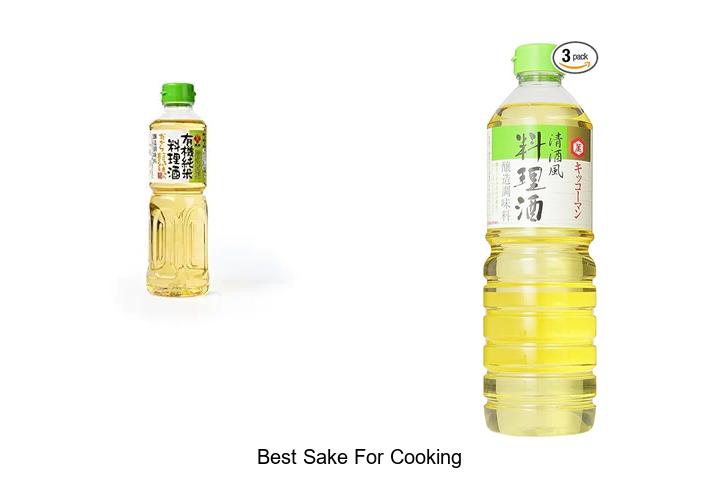
Our Recommeded 1  | Morita Premium Organic Cooking Sake,16.66 floz,Umami-rich flavor and a full-bodied | Check Price |
Our Recommeded 2  | Kikkoman Ryorishi Cooking Sake Seasoning, 33.8 Ounce (Pack of 3) | Check Price |
Our Recommeded 3  | Soeos Mirin, Japanese Cooking Wine, 16.9 fl oz (Pack of | Check Price |
1. Morita Premium Organic Cooking Sake,16.66 floz,Umami-rich flavor and a full-bodied
Enhance your culinary creations with Morita Premium Organic Cooking Sake, known for its umami-rich flavor and full-bodied fragrance. Ideal for deglazing and finishing sauces, this organic sake adds authentic depth to both traditional and contemporary dishes, elevating your cooking with every drop.
Crafted from premium organic ingredients, Morita Premium Cooking Sake delivers a vibrant and natural taste without any artificial additives. Its versatile profile complements vegetables, meats, and seafood, while the 66 floz bottle size is perfect for pantry storage and everyday cooking needs.
66 floz bottle size is perfect for pantry storage and everyday cooking needs.
Pros
- Organic and free from cheap corn syrup substitutes, ensuring authentic flavor
- Versatile for various dishes, perfect for quick deglazing and sauce finishing
- Provides a shiny, tasty finish on vegetables and meats, enhancing presentation
Cons
- Currently available only in a 16.66 floz size, which might be small for frequent large-batch cooking
Morita Premium Organic Cooking Sake is a high-quality addition to any kitchen, offering rich flavor and excellent versatility. Compared to other cooking wines and mirins, it stands out for its organic purity and genuine taste, making it a smart choice for home chefs seeking culinary excellence.
2. Kikkoman Ryorishi Cooking Sake Seasoning, 33.8 Ounce (Pack of 3)
Discover the authentic taste of Japanese cuisine with Kikkoman Ryorishi Cooking Sake Seasoning, available in a convenient 8-ounce pack of three. Perfect for enhancing flavors in your dishes, this cooking sake offers a subtle yet rich profile that elevates every meal.
Kikkoman’s cooking sake is crafted to blend seamlessly with a variety of recipes, from marinades to sauces. Its balanced flavor adds depth without overpowering, making it a staple for both home cooks and professionals seeking quality seasoning. The generous pack provides excellent value and long-lasting supply.
The generous pack provides excellent value and long-lasting supply.
Pros
- Enhances flavor with a subtle, authentic Japanese sake taste.
- Generous pack of three bottles ensures long-term use.
- Versatile seasoning suitable for marinades, soups, and sauces.
Cons
- May not be suitable for those avoiding alcohol-based ingredients, despite cooking sake’s reduced alcohol content.
Offering unmatched flavor depth and convenience, Kikkoman Ryorishi Cooking Sake Seasoning stands out as one of the best sake options for cooking enthusiasts seeking quality and reliability in their kitchen.
3. Soeos Mirin, Japanese Cooking Wine, 16.9 fl oz (Pack of
Enhance your culinary creations with Soeos Mirin, an authentic Japanese cooking wine celebrated for its perfect balance of sweetness and acidity. Ideal for adding depth and a glossy finish to a variety of dishes, this traditional mirin elevates marinades, sauces, and more with genuine flavor.
Crafted from premium short-grain rice, carefully cultured koji, and pure granulated sugar, Soeos Mirin reflects meticulous attention to quality and tradition. Packaged in a BPA-free, resealable bottle, it preserves delicate flavors and ensures ease of use for everyday cooking adventures.
Pros
- Made with high-quality, all-natural ingredients ensuring authentic taste
- Versatile for use in marinades, dressings, sauces, and traditional Japanese recipes
- Convenient BPA-free bottle designed for easy pouring and resealing
Cons
- Sweet flavor may require adjustment when substituting for regular cooking wine or sake
Offering an authentic taste of Japanese cuisine with superior quality and versatility, Soeos Mirin is a valuable addition for any home chef seeking to enrich their dishes with the best sake for cooking. Its unique flavor profile and ease of use make it stand out among other cooking wines.
4. Soeos Organic Shaoxing Chinese Cooking Wine, 16.2 Oz (480 Ml)

Elevate your Asian culinary creations with Soeos Organic Shaoxing Chinese Cooking Wine, a USDA-certified organic rice wine that brings authentic depth to every dish. Perfect for stir-fries, soups, and marinades, it’s crafted to enhance flavors naturally, making it an essential ingredient for both home cooks and professional chefs.
Produced without additives or preservatives, this 2 oz bottle of Shaoxing wine offers a smooth, slightly nutty flavor profile that enriches your dishes with complex umami notes.
Its sturdy glass bottle preserves freshness and aroma, ensuring every splash delivers premium quality for authentic Chinese cooking at an affordable price point.
Pros
- USDA organic certified with no additives, preservatives, or fillers for pure, natural flavor
- Enhances the taste of stir fries, marinades, dumplings, and braised dishes with authentic Shaoxing rice wine taste
- Quality glass packaging preserves freshness and aroma for optimal cooking results
Cons
- Flavor may be more delicate compared to some traditional Shaoxing wines with stronger alcohol notes
Offering excellent value and authentic flavor, Soeos Organic Shaoxing Chinese Cooking Wine stands out as a top choice for culinary enthusiasts seeking the best sake for cooking. Its organic certification and carefully crafted taste elevate your recipes while fitting seamlessly into any kitchen.
5. Soeos Mirin Japanese Cooking Wine, 16.9 fl oz (Pack of

Discover the authentic taste of Japanese cuisine with Soeos Mirin Japanese Cooking Wine. Perfectly balancing sweetness and umami, this
Crafted from premium short-grain rice and natural koji, Soeos Mirin offers a smooth, well-rounded flavor with mild acidity that tenderizes proteins and enhances savory and sweet recipes alike. Packaged in a BPA-free, resealable bottle, it preserves freshness and provides convenient pouring for everyday cooking.
Pros
- High-quality ingredients including polished rice and traditional koji for authentic flavor
- Balanced sweetness enhances umami without overpowering dishes
- Secure, BPA-free packaging ensures freshness and easy usage
Cons
- Contains added sugar and salt, which may not suit those seeking traditional hon-mirin
Soeos Mirin Japanese Cooking Wine is an excellent choice for home cooks seeking quality and versatility in Japanese cooking. Offering a refined taste at a reasonable price, it compares favorably to other mirin brands by delivering authentic flavor enhancements without excessive sweetness, making it a staple ingredient for both beginners and seasoned chefs.
6. 52USA Mirin Cooking Wine, Authentic Japanese Seasoning for Sauces, Marinades,

Elevate your Japanese cooking with 52USA Mirin Cooking Wine, a staple seasoning that perfectly balances sweetness and umami. Crafted to enhance sauces, marinades, and soups, this authentic mirin offers a healthier alternative with less sugar and calories, making it an essential addition for anyone seeking the best sake for cooking.
This 500ml bottle delivers a genuine Japanese flavor, ideal for noodles, sashimi, tempura, and more. Made with granulated sugar and designed to complement soy sauce and dashi broth, it brings out rich, sweet undertones without overpowering dishes. The sealed, leak-proof bottle ensures freshness and convenience in every pour.
The sealed, leak-proof bottle ensures freshness and convenience in every pour.
Pros
- Authentic Japanese mirin perfect for a variety of dishes like ramen, sukiyaki, and tempura
- Lower sugar and calorie content compared to other brands for a healthier cooking option
- Well-sealed packaging that prevents leaks and preserves freshness
Cons
- Not a substitute for rice vinegar; best used specifically as a sweet seasoning
Designed to enhance the subtle flavors of traditional Japanese cuisine, 52USA Mirin Cooking Wine stands out for quality and versatility. It offers great value for food enthusiasts who want a reliable and authentic seasoning, contributing to richer and more balanced culinary creations.
7. Soeos Shaoxing Wine, Shaoxing Rice Wine, Chinese Cooking Wine, Rice

Elevate your Asian culinary creations with Soeos Shaoxing Wine, a traditional Chinese cooking wine prized for its authentic flavor profile. This premium Shaoxing rice wine is essential for anyone seeking to add depth and richness to stir-fries, soups, marinades, and beyond.
Expertly crafted by the well-known brand SOEOS, this Shaoxing rice wine is widely used in Chinese kitchens for its ability to infuse dishes with a smooth, nutty umami taste. Perfect for adding at the peak cooking temperature, it instantly enhances savory dishes like pan-fried dumplings and braised meats.
Pros
- Authentic Shaoxing rice wine that adds deep, rich flavor to Asian recipes
- Comes in a sturdy glass bottle that maintains freshness and aroma
- Versatile for use in stir-fries, soups, marinades, and classic Chinese dishes
Cons
- May not be suitable for those looking for a non-alcoholic cooking alternative
Offering a unique combination of quality, authentic taste, and affordability, Soeos Shaoxing Wine stands out among cooking wines. For home cooks and professional chefs alike, it’s a valuable addition to any kitchen aiming to master traditional Asian flavors.
8. Soeos Mijiu, Rice Wine, White Cooking Wine, Rice Cooking Wine,

Elevate your culinary creations with Soeos Mijiu, a premium white cooking wine crafted from fermented rice. Renowned for its authentic flavor and tenderizing properties, this traditional Chinese rice wine enriches a variety of dishes, making it an indispensable ingredient for home cooks and professional chefs alike.
Soeos Mijiu offers remarkable versatility in the kitchen, seamlessly enhancing stir-fries, marinades, and braises with its mild, slightly sweet rice flavor. Beyond taste, it tenderizes meats and mitigates strong odors, ensuring perfectly balanced dishes that highlight natural ingredients without overpowering them.
Pros
- Authentic fermented rice wine that imparts a unique, mild sweetness
- Enhances flavor complexity while tenderizing meats effectively
- Reduces unpleasant odors from ingredients, improving overall taste balance
Cons
- Contains alcohol, which may not be suitable for all dietary preferences
Designed to enrich your cooking with traditional Chinese flair, Soeos Mijiu stands out as a reliable choice for adding depth and authenticity to recipes. Its value, combined with competitive pricing, makes it a smart addition to any kitchen pantry seeking the best sake for cooking.
9. 52USA Shaoxing Cooking Wine 21.64 Fl Oz, Missing Secret Ingredient
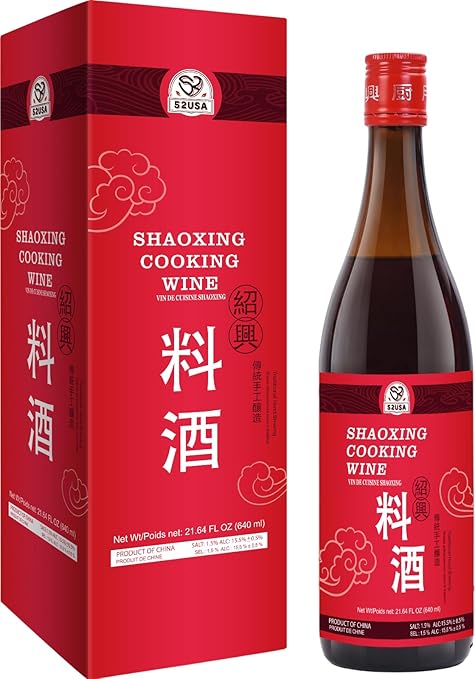
Discover the authentic taste of traditional Chinese cuisine with 52USA Shaoxing Cooking Wine. This premium rice wine, cherished for centuries, infuses your dishes with a rich aroma and depth of flavor that elevates everyday meals into culinary masterpieces.
Crafted in the Zhejiang province, 52USA Shaoxing Cooking Wine is a renowned huangjiu variety, made through natural fermentation of rice and wheat. Its bold fragrance and complex taste profile make it an essential ingredient in a wide range of savory recipes, delivering genuine authenticity found in top Chinese restaurants worldwide.
Pros
- Authentic Shaoxing rice wine from Zhejiang for true Chinese flavor
- Enhances aroma and taste in many savory dishes
- Generous 21.64 fl oz bottle size offers great value and longevity
Cons
- Strong scent may be intense for those unfamiliar with cooking wines
Ideal for both beginners and seasoned cooks experimenting with Chinese recipes, 52USA Shaoxing Cooking Wine stands out as a reliable choice that brings genuine flavor to your kitchen creations. Compared to other cooking wines, it balances quality and affordability, making it a smart addition to your pantry.
10. Soeos Mirin, Japanese Cooking Wine, 16.9 fl oz, Authentic Natural

Elevate your culinary creations with Soeos Mirin, a premium Japanese cooking wine designed to bring authentic flavor and a delicate sweetness to your dishes. Perfectly suited for marinades, sauces, and glazes, this mirin adds a glossy finish and depth that enhances both traditional and modern recipes.
Crafted from high-quality short-grain rice, traditional koji, and pure granulated sugar, Soeos Mirin delivers a smooth taste with balanced sweetness and mild acidity. Packaged in a BPA-free, resealable bottle, it preserves freshness while providing ease of use, making it a reliable ingredient for everyday cooking.
Pros
- Authentic flavor with well-balanced sweetness enhancing umami in Japanese dishes
- High-quality ingredients including polished short-grain rice and traditionally grown koji
- Convenient, BPA-free resealable bottle for easy pouring and storage
Cons
- Contains added sugar and salt, which may not suit those seeking traditional hon-mirin
Overall, Soeos Mirin is an excellent choice for home cooks seeking an affordable, authentic mirin that enhances a wide range of dishes. Its quality ingredients and balanced profile make it stand out among common cooking wines, delivering consistent results whether used in teriyaki, soups, or marinades.
Top Picks: Best Sake for Cooking Guide
Flavor profiles and cooking applications
Choosing the best sake for cooking involves understanding how its sweetness, acidity, and overall flavor profile interact with different dishes. Sake with a touch of sweetness can balance out spicy or salty ingredients, creating a harmonious taste that enhances a dish rather than overpowering it. When selecting sake to pair with various cuisine types, consider how the sake’s flavor aligns with the food; lighter, crisper sakes complement delicate flavors like seafood, while richer, fuller-bodied sakes can stand up to hearty, robust dishes.
When selecting sake to pair with various cuisine types, consider how the sake’s flavor aligns with the food; lighter, crisper sakes complement delicate flavors like seafood, while richer, fuller-bodied sakes can stand up to hearty, robust dishes. The acidity in sake also plays an essential role by influencing the texture and taste of the final dish, often adding a subtle brightness that elevates flavors and tenderizes proteins. Keeping these factors in mind will help novice cooks choose a sake that improves their recipes and brings out the best in their culinary creations.
Key ingredients and additives
When selecting the best sake for cooking, it is important to consider a few key factors that can greatly influence the flavor and outcome of your dishes. The alcohol content plays a significant role as it helps to tenderize meat, enhance flavor, and reduce strong odors, so choosing a sake with a moderate alcohol percentage can be beneficial. Additionally, many cooking sakes include salt and preservatives, which can affect the taste and may not be suitable for those looking to control sodium intake or avoid additives.
Additionally, many cooking sakes include salt and preservatives, which can affect the taste and may not be suitable for those looking to control sodium intake or avoid additives. For those who prefer a cleaner and more natural option, organic and additive-free varieties are worth exploring since they offer purity without compromising quality. Understanding these aspects ensures you pick a sake that not only suits your culinary needs but also aligns with your dietary preferences and cooking style.
Packaging and storage considerations
When deciding on the right bottle size for your cooking needs, consider how often you use sake in your recipes and the quantity each dish requires. Smaller bottles work well if you only occasionally add sake to sauces or marinades, while larger bottles are more economical and suitable for frequent use or batch cooking. It is also important to pay attention to how the bottle seals, as a well-sealed container helps maintain freshness and prevents the sake from losing its delicate flavors after opening.
It is also important to pay attention to how the bottle seals, as a well-sealed container helps maintain freshness and prevents the sake from losing its delicate flavors after opening. Look for options with resealable or easy-pour caps that allow for convenient measuring without spilling, which adds to the ease of use in a busy kitchen. Since the shelf life after opening can vary depending on storage conditions, keeping sake tightly sealed and stored in a cool, dark place ensures it remains flavorful throughout its use in your culinary creations.
Price and quality balance
Finding the best sake for cooking involves considering how it enhances the flavors of your dishes while fitting within your budget. For budgetfriendly options for everyday cooking, it is wise to choose a sake that offers a good balance between affordability and flavor, as these types typically provide a mild sweetness and acidity that complements various recipes without overpowering other ingredients.
When to invest in premium sake for recipes usually depends on the importance of the dish, such as when preparing special meals or traditional recipes where the subtle nuances of a high-quality sake can truly shine and elevate the overall flavor profile. Evaluating quality without tasting can be done by looking at the clarity and aroma of the sake, the type of rice used, and the polishing ratio, which indicates how refined the sake is. Additionally, checking for recommendations from trusted sources or labels that indicate a culinary purpose can help guide your choice toward the best sake for cooking that meets your needs and preferences.
Types of sake suitable for cooking
When selecting sake for culinary purposes, understanding the differences between Junmai, Honjozo, and cooking sake can help elevate your dishes. Junmai sake is made purely from rice, water, yeast, and koji mold, offering a rich and full-bodied flavor profile that can add depth to sauces and marinades.
Cooking sake is specifically crafted for use in the kitchen and often contains added salt and other seasonings to enhance flavor while balancing sweetness and acidity. This brings us to the distinction between aromatic and neutral sakes; aromatic varieties contribute noticeable fragrance and complexity, perfect for recipes that benefit from a fragrant boost, whereas neutral sakes provide a clean backdrop, allowing other ingredients to shine.
Additionally, choosing between seasoned and unseasoned sake depends on your recipe’s needs; seasoned sake, with its added salt and mirin-like sweetness, can simplify the seasoning process in certain dishes, while unseasoned sake offers flexibility to control flavor precisely, making it suitable for attentive cooks who prefer adjusting seasoning themselves. Overall, considering these flavor profiles and ingredient intentions will guide you toward the sake that best complements your cooking style and recipe requirements.
Additional features and certifications
When choosing the best sake for cooking, it’s important to consider the flavor profile and alcohol content that will complement your dishes without overpowering them. A dry sake with moderate sweetness works well for marinades and sauces, helping to enhance umami flavors. Sake with a clean and subtle taste is often preferred in simmered dishes or soups where balance is key.
Sake with a clean and subtle taste is often preferred in simmered dishes or soups where balance is key. Keep in mind how the sake’s region of origin and authenticity can influence its flavor nuances, as well as ensuring it meets your personal authenticity standards if you prefer a genuine traditional product. For those with dietary restrictions, it’s useful to look for sake options that indicate compatibility with gluten-free diets and organic farming principles, which can be a bonus for sensitive palates or health-conscious cooking.
Paying attention to these factors will help you select a sake that not only elevates your meals but also aligns with your dietary preferences and cooking needs.
People Also Asked
How Does Cooking Sake Differ From Drinking Sake?
Cooking sake is typically lower quality and may contain added salt or preservatives to enhance flavor and shelf life, making it unsuitable for drinking. In contrast, drinking sake is brewed specifically for consumption, with a smoother taste and no additives.
What Are The Key Qualities To Look For In The Best Sake For Cooking?
The best sake for cooking should have a clean, mild flavor and moderate alcohol content to enhance dishes without overpowering them. Additionally, it should be low in salt and additives to maintain the delicate taste of the food.
Can You Use Regular Sake For Cooking, Or Is A Special Type Recommended?
You can use regular sake for cooking, but cooking sake (ryorishu) is specially brewed with added salt to enhance flavor and prevent spoilage. Using regular sake may alter the dish’s taste, so cooking sake is generally recommended for better results.
How Does The Alcohol Content In Cooking Sake Affect The Taste Of Food?
The alcohol content in cooking sake helps to enhance the flavor of food by adding depth and complexity while also helping to tenderize meat. Additionally, the alcohol evaporates during cooking, leaving behind a subtle sweetness and umami that enrich the overall taste.
What Are The Best Brands Or Types Of Sake For Enhancing Flavors In Dishes?
The best sake brands for enhancing flavors in dishes are typically premium types like Junmai or Honjozo, which have a balanced and rich flavor profile. Brands such as Dassai, Gekkeikan, and Hakutsuru are highly recommended for cooking due to their quality and smooth taste.
Conclusion
When selecting the best sake for cooking, opt for a dry, affordable variety labeled ryorishu or general cooking sake. These sakes enhance flavors without overpowering dishes, making them ideal for marinades, sauces, and simmered recipes.