Grilling ribs on charcoal brings out a smoky flavor you just can’t get with gas or electric grills. If you want tender juicy ribs with that perfect char you crave you’re in the right place. Charcoal grilling takes a bit of practice but once you get the hang of it you’ll impress everyone at your next cookout.
You’ll learn how to set up your charcoal for indirect heat control the temperature and season your ribs for maximum flavor. With a few simple tips and tricks you’ll turn out ribs that fall off the bone every time. Get ready to fire up your grill and enjoy a mouthwatering barbecue experience that’s worth the wait.
Essentials for Grilling Ribs on Charcoal
Grilling ribs on charcoal requires the right ingredients and equipment. Focusing on quality ribs and a properly prepared charcoal grill sets the foundation for great results.
Choosing the Right Ribs
Select pork ribs that offer a balance between meat and fat. Baby back ribs provide tender, lean cuts ideal for quick cooking. Spare ribs contain more fat, which enhances flavor during slow grilling. Look for ribs with a consistent thickness and minimal silver skin for even cooking. Fresh ribs retain moisture better than frozen, avoiding dryness. If available, opt for racks with the membrane removed to allow seasoning penetration and tenderness.
Preparing Your Charcoal Grill
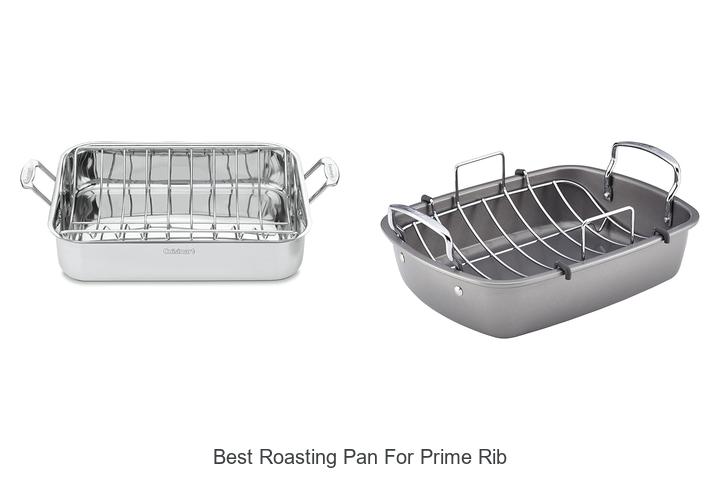
Arrange charcoal to create two zones: a hot direct heat area and a cooler indirect heat area. Use lump charcoal or briquettes for steady, long-lasting heat. Ignite charcoal with a chimney starter for an even burn and avoid chemical starters that can impart off-flavors. Maintain grill temperature between 225°F and 275°F by adjusting air vents. Place a drip pan beneath ribs on the indirect side to catch fat and prevent flare-ups. Ensure the grill grate is clean and oiled to promote even searing and easy flipping.
Step-by-Step Guide to Grilling Ribs on Charcoal
Follow these steps to grill ribs on charcoal that deliver smoky flavor, juiciness, and tender texture through precise preparation and temperature control.
Preparing the Ribs for the Grill
Start by removing the silver skin membrane from the back of the ribs using a butter knife and paper towel for grip. Trim excess fat while preserving a thin layer to enhance moisture. Apply a dry rub evenly on all sides with your choice of spices, including salt, pepper, paprika, garlic powder, and brown sugar. Let the ribs rest at room temperature for 30 minutes to absorb the seasoning and promote even cooking.
Setting Up the Charcoal for Indirect Heat
Arrange the charcoal on one side of the grill to create two distinct heat zones: direct heat for searing and indirect heat for slow cooking. Use medium-quality lump charcoal or briquettes for steady heat over 225°F to 275°F. Place a drip pan filled with water or apple juice under the grill grate on the indirect side to catch drippings and regulate moisture. Preheat the grill with the lid closed for 15 minutes, then clean and oil the grate.
Cooking Process and Timing
Place ribs bone side down on the indirect heat zone, away from direct flames to avoid charring. Maintain a grill temperature of 225°F to 275°F by adjusting vents and adding charcoal every hour. Cover the grill with the lid, leaving the vent open to circulate smoke. Cook ribs slowly for 3 to 4 hours, optionally wrapping them in foil after 2 hours to retain moisture and intensify tenderness.
Checking for Doneness
Test ribs at the 3-hour mark by inserting a toothpick between bones; it should slide in easily without resistance if tender. Check for a slight bend in the ribs when lifted; a gentle curve without breaking indicates proper tenderness. Meat should pull back from the bone ends by about a quarter inch. If needed, extend cooking time in 15- to 30-minute increments until ribs reach fall-off-the-bone texture.
Tips for Enhancing Flavor and Texture
Enhance your grilled ribs with techniques that boost flavor and improve texture. Focus on rubs, smoke, and proper resting to elevate your barbecue results.
Best Rubs and Marinades for Ribs
Choose dry rubs with a balanced mix of salt, sugar, and spices like paprika, cumin, and black pepper. Apply the rub generously to all sides of the ribs and let them sit for at least an hour before grilling, or overnight if possible. Use marinades containing acidic components such as vinegar or citrus juice to tenderize meat and add brightness, applying them for 2 to 4 hours before cooking. Avoid overly wet marinades that can wash away rubs or cause flare-ups on the charcoal.
Using Wood Chips for Smoke Flavor
Add soaked hardwood chips like hickory, apple, or cherry directly onto hot charcoal. Use a small handful every 30 to 45 minutes to maintain consistent smoke levels without overwhelming the ribs. Position the wood chips opposite the ribs on the grill to allow smoke to circulate evenly under indirect heat. Avoid resinous woods like pine, as they produce harsh smoke that impairs flavor. Control airflow vents to sustain moderate smoke production during the 3-4 hour cook.
Resting and Serving Your Ribs
Rest the ribs for 10 to 15 minutes after grilling to allow juices to redistribute and improve tenderness. Keep them loosely tented with foil to retain warmth without trapping steam, which can soften the crust. Slice ribs between bones using a sharp knife for clean, easy serving. Offer complementary sauces on the side, letting guests customize their flavor rather than saturating ribs during cooking, which can mask the smoky and spice profiles you developed.
Common Mistakes to Avoid When Grilling Ribs on Charcoal
Neglecting temperature control leads to uneven cooking and dry ribs. Keep the grill between 225°F and 275°F for 3 to 4 hours to ensure tenderness. Using high heat directly under the ribs causes burning and flare-ups, which compromise flavor and texture.
Skipping the removal of the silver skin results in tough ribs. Peel it off before applying rubs to allow seasoning to penetrate and soften the meat. Applying sauce too early burns the sugars it contains; add sauces during the last 20 minutes of cooking for a balanced glaze.
Failing to set up a two-zone fire causes flare-ups and uneven cooking. Arrange charcoal on one side for direct heat and leave the other side empty for indirect heat. Ignoring the use of a drip pan risks flares and creates messes; use a pan to catch drippings and maintain steady moisture levels.
Wrapping ribs in foil too soon prevents bark formation. Wait at least 2 hours before wrapping to preserve the crust. Rushing the resting period means juices don’t redistribute properly; rest ribs for 10 to 15 minutes after grilling to maximize juiciness.
Conclusion
Grilling ribs on charcoal is an art that rewards your patience and attention with incredible flavor and texture. By mastering heat control and seasoning, you’ll bring out the best in every rack you cook.
Remember that practice makes perfect, so don’t be discouraged if your first attempt isn’t flawless. Each cookout is a chance to refine your technique and impress your guests with mouthwatering, smoky ribs.
With the right approach, your charcoal grill will become your go-to for unforgettable rib dinners that keep everyone coming back for more.